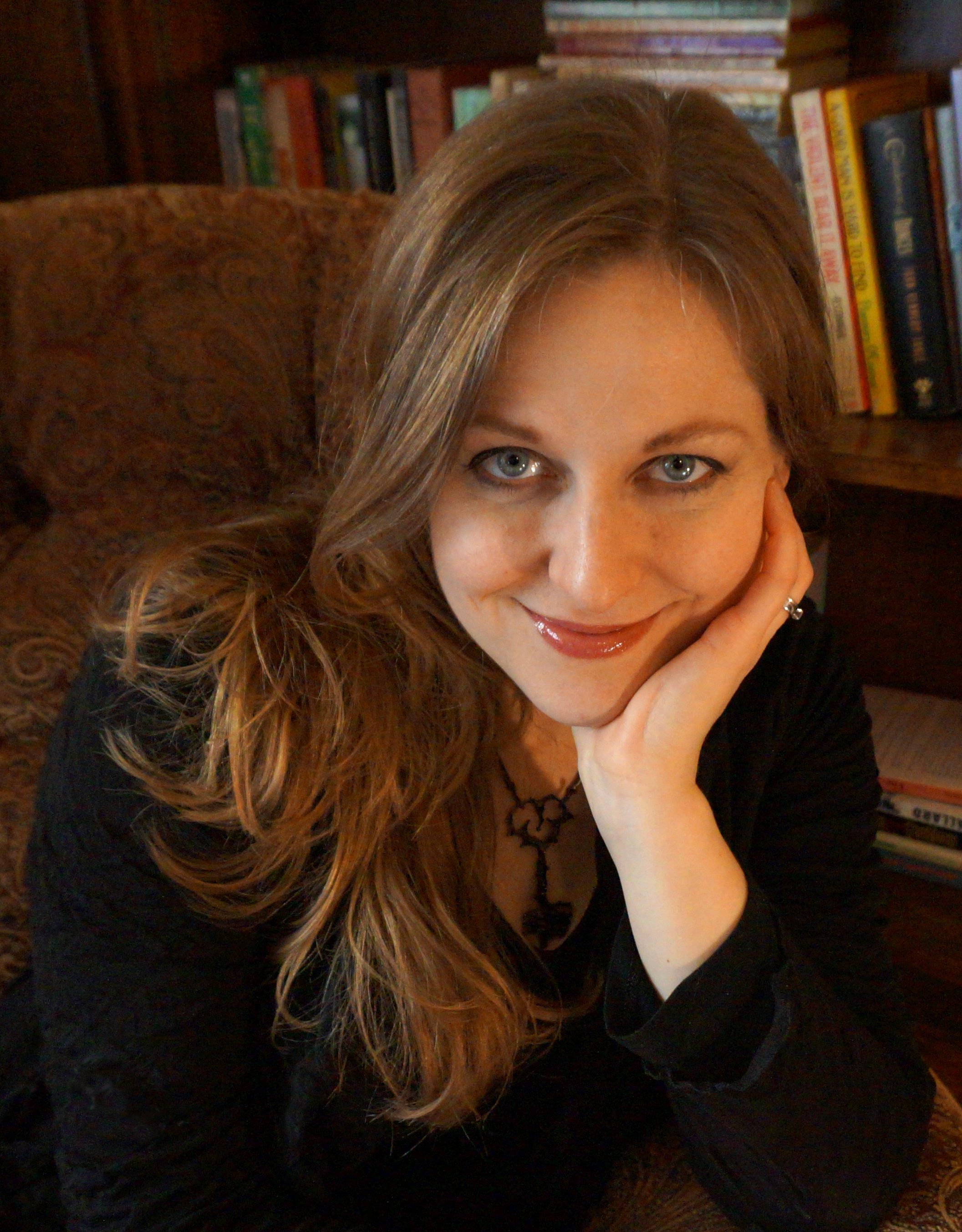
Adrianna Cuevas is a first-generation Cuban-American originally from Miami, Florida. A former Spanish and ESOL teacher, Adrianna currently resides in Austin, Texas with her husband and son. When not working with TOEFL students, wrangling multiple pets including an axolotl, and practicing fencing with her son, she is writing her next middle grade novel.
The Total Eclipse of Nestor Lopez is about a boy from a military family who’s used to moving to a new town every few years. When he finally gets the chance to live with his grandmother in New Haven, Texas, his one goal is to make sure that no one finds out his biggest secret- he can talk to animals. But when a tule vieja, a witch that can transform into animals, starts threatening his new home, Nestor must decide whether to risk revealing his secret to save his friends.
How did you get the idea for the story?
There’s a slight chance (and by slight, I mean 100% true) that I was sitting in a high school faculty meeting four years ago, doodling in my notebook as I tried to pay attention. I thought about how my family had just moved to Texas and how my son had lived in five houses in six years. He’s always asking me hypothetical questions like “If you could have any superpower, what would it be?” or “If you could be any animal, what would it be?” From those ideas, I came up with Nestor—a Cuban-American boy with a secret ability, looking for a home.
And I don’t think I missed any crucial information from that faculty meeting while I brainstormed.
Ha! We won’t tell. 😉 Can you tell us more about the real-life tule vieja legend?
The tule vieja is a legend from Panama and Costa Rica, two countries I lived in when I was younger. She’s a bit different from the tule vieja I present in my book since the traditional tule vieja has permanent animal features like bat wings and crow feet. She also walks around topless… perhaps not the best look for a middle grade story? She’s very similar to the legend of La Llorona, since she can be found snatching unruly, truant children off the streets. I thought it would be more fun to connect the tule vieja to Nestor’s animal communication ability by having her kidnap New Haven’s pets and livestock in a bid to increase her power.
She’s also fully clothed.
Are any of the characters in the book like you? Can you secretly talk to animals like Nestor?
I’d love to say that I’m brave like Nestor or that I can cook and sew like his abuela. But, alas, I fear I’m most like Cuervito, the snarky raven that pesters Nestor, and Val, the coyote with a penchant for making jokes in serious situations.
And most of the communication I have with animals tends to be one-sided arguments with my dog and cat about how I’ve already fed them.
I hear you! I have the same conversation with my dogs. They never believe me! What’s your favorite thing about writing spooky stories like this one?
I love the ability of spooky stories to be a vehicle for exploring deeper themes and issues. For someone like me with the attention span of a single-cell bacterium, action-packed, quick-paced scary stories are an accessible way to address themes of family, belonging, and identity. Also, showing young readers someone like them overcoming monsters, both imaginary and real, is something I treasure as an author.
Absolutely! Did you have a favorite spooky book, movie or character growing up?
I was obsessed with Edgar Allan Poe growing up. I had an illustrated anthology of his poems and short stories that I read constantly. The Pit and the Pendulum was my favorite short story of his because I was enthralled with how Poe’s gruesome descriptions put the reader directly in the scene. To prove I wasn’t a completely blood-thirsty child growing up, I also loved his poem Annabel Lee. That one definitely ushered in my strong emo phase as a teenager. My poor parents.
Oooh, I love Edgar Allen Poe! I have a pop-up version of his The Raven. It’s awesome. What’s your biggest fear?
You know in horror movies where a character sticks their hand in the garbage disposal because they think it’s broken, only to have it suddenly turn on? Yeah, that’s not my biggest fear. How about when you turn off all the lights in your bedroom so you have to race and jump on top of your bed before anything lurking below can grab you by the toes? That’s not it either.
My biggest fear has nothing to do with the supernatural or anything imaginary. There’s a scene in The Total Eclipse of Nestor Lopez where Nestor’s mom mistakes two high school ROTC students for an Army mortuary affairs detail coming to tell her something has happened to her husband. That was my fear every day for the years my husband was deployed as a military policeman. Writing Nestor was a healing way to process those emotions and use my fear to show young readers a way to confront separation and grief.
Wow. That’s a deep fear a lot of readers will experience. It’s wonderful that they can learn to deal with it through your book. You’ve got another book coming out next fall. Can you give us a sneak peek into what it’s about?
I’m so excited for my next book, Cuba in My Pocket! It tells the story of a young Cuban boy who immigrates to the United States by himself in the 1960s. I based it on my father’s experiences and I’m so thrilled to honor him with this story. It will also clearly show that my sarcasm and snark is genetic.
Fantastic! I can’t wait for CUBA IN MY POCKET, and I know all our readers can’t either.
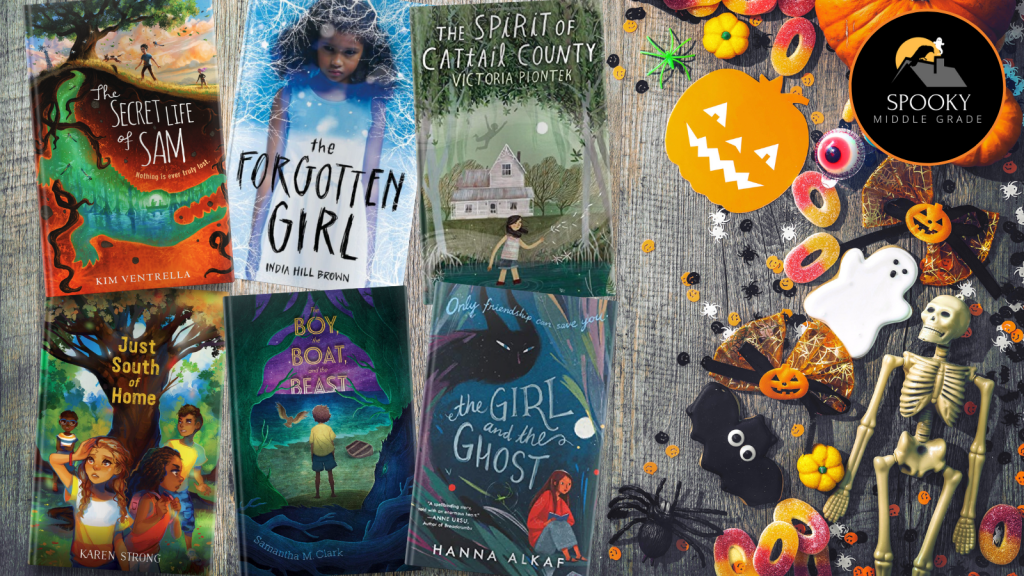
We’re continuing our month of #SpookyMG giveaways with an amazing selection of titles dealing with important topics like grief, racism, segregation, bullying and much more. Today, the #SpookyMG team members are dropping by the blog to share why they chose their giveaway selection.
Enter the giveaway for these books on Twitter. Ends 10/16/2020.
Victoria Piontek
I chose THE GIRL AND THE GHOST by Hanna Alkaf because I love stories that not only cast a magical spell, but also have a big heart. THE GIRL AND THE GHOST is not just about a spirit, it’s also about navigating friendship and difficult choices. I hope readers love this story as much as I do.
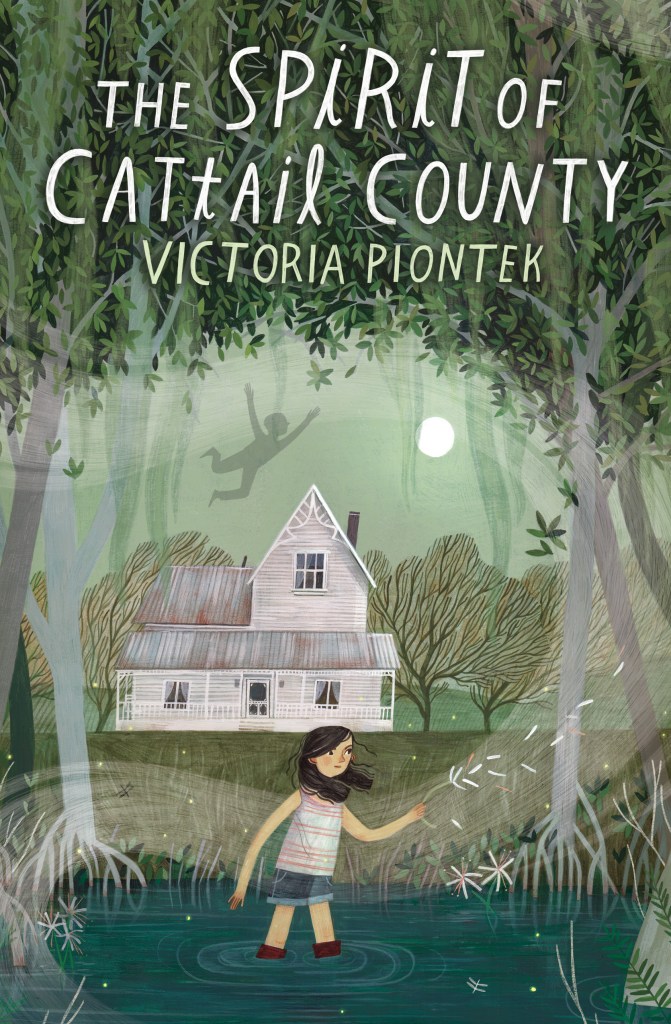
Victoria Piontek is the author of THE SPIRIT OF CATTAIL COUNTY, a Bank Street College Best Book of the Year and a Sequoyah Children’s Masterlist selection. As a kid, she was lucky to have a menagerie of pets, including a goat that liked to follow her to the school bus each morning.
Samantha M. Clark
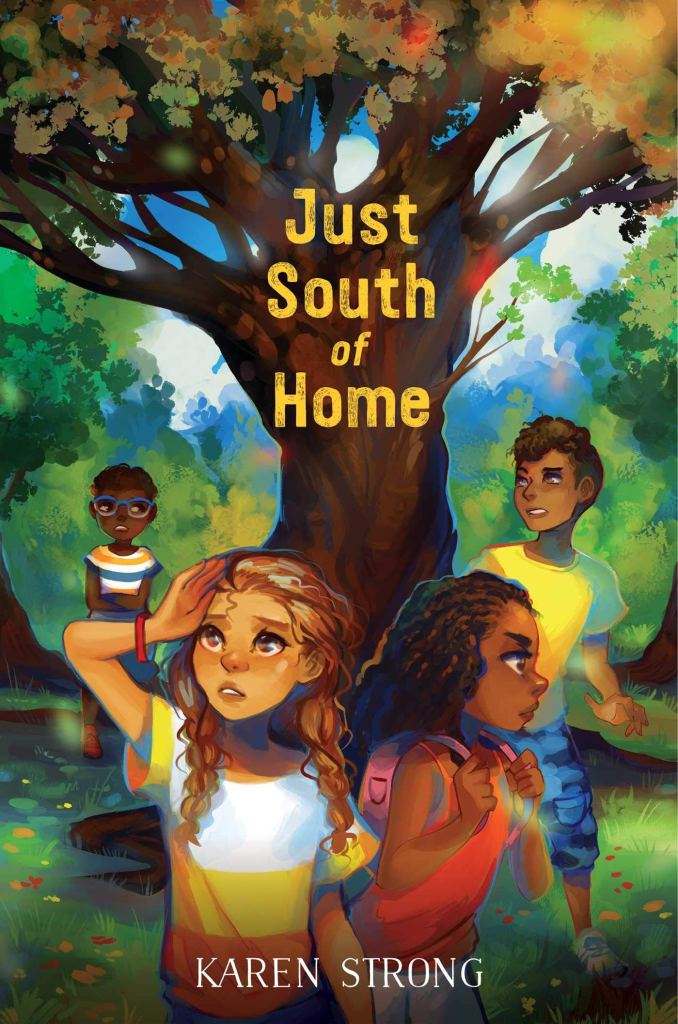
JUST SOUTH OF HOME by Karen Strong has so many things I love to read about: ghosts, secrets, mysteries and laughs. Having sat on a panel with Karen and listened to her talk about her influences for the book, I also know it comes from her heart. JUST SOUTH OF HOME is Karen’s debut middle grade novel, and I’m looking forward to reading more books from her.
Samantha M Clark is the award-winning author of THE BOY, THE BOAT, AND THE BEAST and the forthcoming ARROW (summer 2021), both published by Paula Wiseman Books/Simon & Schuster. She has always loved stories about ordinary people in extraordinary circumstances.
Kim Ventrella
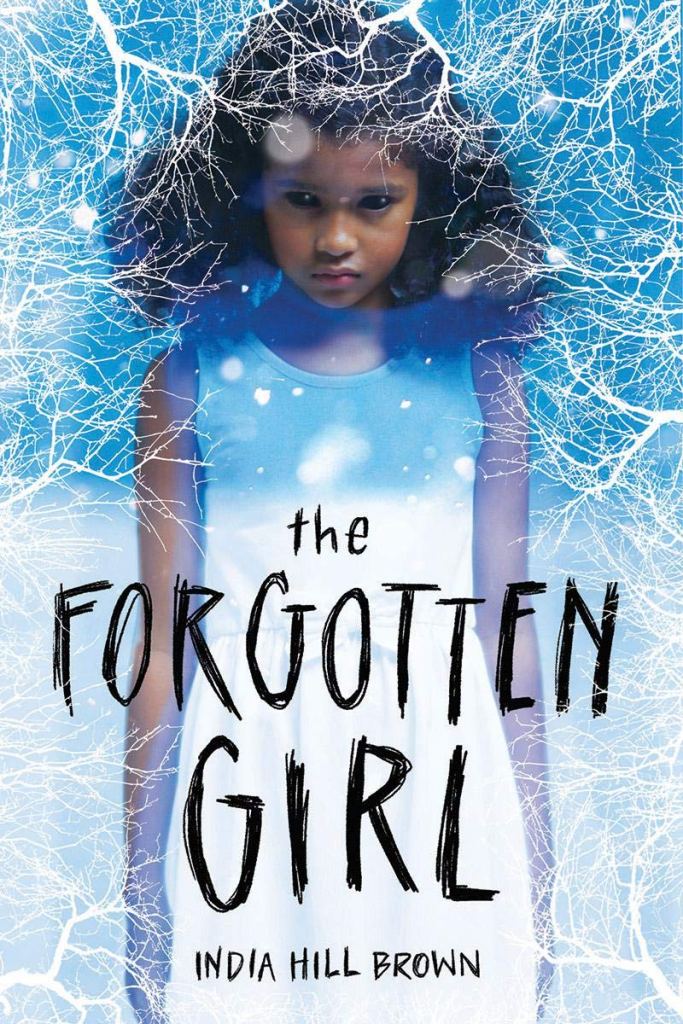
I chose THE FORGOTTEN GIRL by India Hill Brown, because it pairs a chilling ghost story with an important exploration of racism and segregation. I love books that beautifully interweave “scary” elements with universal threads of love and friendship. Add to that the discussion of uncovering and addressing real-life horrors from our past, and this book makes a perfect read, especially for the spooky season.
Don’t forget to check out the BIG GIVEAWAY on Twitter, and come back for more giveaways this October!!!
And did you know we have a new Spooky MG Bookshop page! It’s true! All purchases made from that page help us continue offering free virtual visits with schools across the country.
This month, some of us here at Spooky MG have been talking about historical–or historical-ish–creepy middle grade books: why we write them, what we love about them, which ones are recent favorites.
Read on to find out what we had to say — and if you haven’t already, be sure to check out our *giveaway* of all of these marvelous historical MGs over on Twitter!
(To enter: Retweet the giveaway post and follow @spookymgbooks. Bonus entries for tagging friends! Open from 10/4 to 10/9 at midnight EST. Winner announced 10/10/20. US only.)
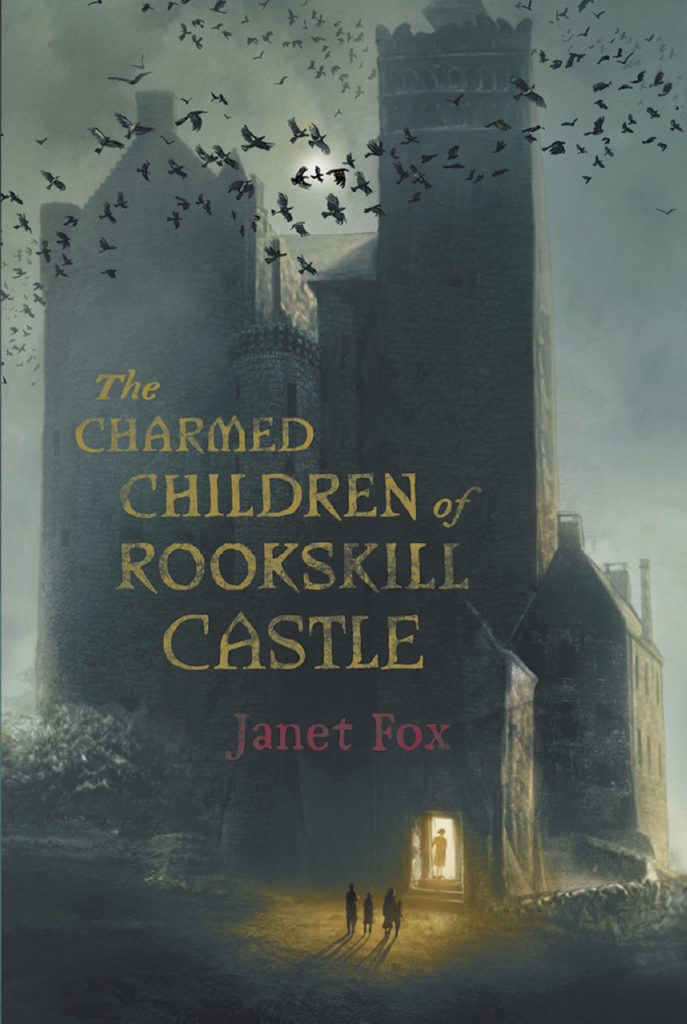
Janet Fox – author of THE CHARMED CHILDREN OF ROOKSKILL CASTLE and THE ARTIFACT HUNTERS
Why do you like to write historical spooky books? I love historical books, and adding that spooky element raises the stakes to a whole new level. But, in fact, The Charmed Children of Rookskill Castle, my first spooky historical, became a historical work first and a spooky book second. It was an organic process of finding that I had an antagonist who was so evil that she took the story to a different level. In The Artifact Hunters, my second, because it’s a sequel I used many of the same elements (setting, time period, some characters) and so the spookiness was baked in. But I do love twisting historical elements (castles) with creepy ones (ghosts).
Tell us a bit about your book. What drew you to the period in which your book is set? The Artifact Hunters (as well as Charmed Children) is set during World War Two. There are a number of things that drew me to that time period. First, I could separate the children from their parents during the London Blitz – because children were, truly, sent away during the bombing to keep them safe. Second, there have long been rumors that Hitler was obsessed by the occult, and wanted to use those practices to further his aims, and how creepy is that? And third, the threats to my characters could come both from the evil antagonist and the war itself.
What other historical spooky mg book would you recommend? I recommend The Night Gardener by Jonathan Auxier. It’s one of the creepiest books I’ve ever read. Set in Victorian times it reads like a Poe story, with orphaned children, a terrible curse, and a terrifying monster. I loved every spine-tingling atmospheric moment.
Jacqueline West — author of THE BOOKS OF ELSEWHERE and LONG LOST (coming 5.11.21)
Why do you like to write historical spooky books? My books often begin with a setting. Locations—especially rambling, odd, old buildings—are irresistible to my writing brain. I want to wander around inside of them all, and explore every dusty nook and corner, and discover all the secrets of their pasts and presents. And when I write about them, I get to.
Tell us a bit about your book. What drew you to the period in which your book is set? My first series, The Books of Elsewhere, was inspired by a strange old house in my hometown. While most of the story is set in the present day, the past is central to the book: The looming stone house that Olive Dunwoody moves into is filled with the history (and secrets) of the house’s former owners. Getting to unfold that history was one of the most exciting parts of writing the books.
And my next middle-grade book, Long Lost (coming in May 2021!), takes place in an old New England town with a public library that used to be the home of a wealthy and mysterious local family. There’s a story-within-a-story in this one, so I got to explore the house and town as I imagine them today and as they were a century ago. The book itself is about how the past tangles with the present, and about how, even when people vanish, their stories can live on and on and on.
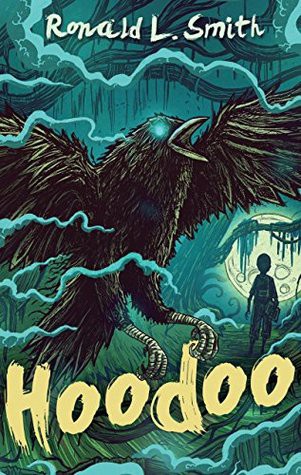
What other historical spooky mg book would you recommend? Hoodoo, by Ronald L. Smith. It’s set in rural Alabama in the 1930s, and it’s the story of a twelve-year-old boy from a family of folk magicians who has to help his dead father’s spirit find peace while fending off a mysterious visitor called The Stranger. The time and place are so richly captured, and the whole thing is unique and deep and creepy and wonderful.
Josh Roberts – author of THE WITCHES OF WILLOW COVE
Why do you like to write historical spooky books? I believe history is all around us, and it affects our lives in a million invisible ways every single day. I wanted to explore this idea in my debut novel, The Witches of Willow Willow Cove, which is a contemporary story that’s centered around a historical mystery tied to the Salem Witch Trials. I think the more we understand what has come before us–and why it happened–the better we can understand the context of our own lives. Plus, the mysteries of the past are just incredibly fun to write about!
What drew you to the period in which your book is set? I was born and raised in New England just a few towns over from Salem, Massachusetts. Growing up, the Witch Trials were always a big part of our local lore. I remember learning about that period as a kid growing up in the 1980s, and then discovering that the witch scare extended far beyond Salem and even into my own home town. When I set out to write The Witches of Willow Cove, I drew upon my memories of a contemporary childhood and what it was like to discover my town’s ties to this very dark period of local history. From there it was an easy step to imagine modern day kids like my main character, a seventh grader named Abby Shepherd, discovering even deeper ties to the Witch Trials and how that might affect her life in exciting and unexpected ways.
What other historical spooky mg book would you recommend? My go-to recommendation is The Secret of Nightingale Wood by Lucy Strange. It’s a beautiful story of friendship, trauma, and recovery set against a backdrop of ghostly woods and spooky old houses in WWI-era England.
Angie Smibert – author of THE GHOSTS OF ORDINARY OBJECTS series
Why do you like to write historical spooky books?
I love historical books—with a twist. The history is certainly fascinating itself, but I’m really a spec fiction writer, so I like a little something else going on, such as a good ghost story or a bit of magic or magical realism. The spooky element raises the stakes and just generally makes the story more interesting.
What drew you to the period in which your book is set?
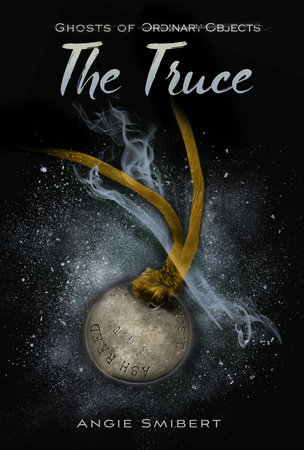
The setting drew me in first. The Truce—and the whole Ghosts of Ordinary Objects series—happens in a small coal mining community in Southwest Virginia. The place is loosely based on McCoy, Virginia, where my mother and her family (and several generations before her) grew up. I set the story in 1942 because this was the peak of the coal mining in our area—and yet it was also a time of great change. The US was fully involved in World War II by that time. Men were leaving the mines to fight in the war. Rationing had started. Women were working in factories. People were dying. This was the perfect time period for a protagonist who wants everything to stay like it had been. (Be cruel to your protagonists!) And my protagonist, twelve-year-old Bone Phillips, is going through a great change, too. She discovered her Gift, the ability to see the ghosts inside ordinary objects, and she was not happy about it!
This is a place that doesn’t really exist anymore. After the war, the mines began to shut down, really changing everything. Now you can drive through the area and never realize there were once coal mines there.
What other historical spooky mg book would you recommend?
I loved The Assassination of Brangwain Spurge by MT Anderson and Eugene Yelchin, so I decided to look up some other things Yelchin had written. Delightfully spooky and a little offbeat, TheHaunting of Falcon House is set in late 19th Century Saint Petersburg, Russia. Young Prince Lev, a budding artist, must leave his mother to take up his noble duties at Falcon House. There he discovers a dreadful family secret in this haunted mansion that makes him question his role and the aristocracy. The book includes many of the Prince’s drawings.
To win a copy of each of these books — THE ARTIFACT HUNTERS, THE BOOKS OF ELSEWHERE, VOL 1: THE SHADOWS, THE WITCHES OF WILLOW COVE and THE TRUCE, *PLUS* our recommended titles, THE NIGHT GARDENER, HOODOO, THE SECRET OF NIGHTINGALE WOOD, and THE HAUNTING OF FALCON HOUSE — make sure to find us on Twitter: @spookymgbooks.
Spooky Middle Grade has lots to celebrate!! A number of new releases, and a new Bookshop, are worthy of attention.
Our new Bookshop Store is officially open. In case you don’t know, Bookshop is a platform that supports independent booksellers by allowing you to buy directly through them online, and they give a percentage of proceeds to booksellers.
Spooky Middle Grade has opened a store where you can view all our most recent releases, find a way to order directly from our indies, or place an order through Bookshop.
And take a look at our most recent releases, from earliest to just-about-published:
Josh Roberts, The Witches of Willow Cove: It’s not easy being a teenage witch. Seventh grader Abby Shepherd is just getting the hang of it when weird stuff starts happening all around her hometown of Willow Cove.
Adrianna Cuevas, The Total Eclipse of Nestor Lopez: In this magical middle-grade debut novel, a Cuban American boy must use his secret ability to communicate with animals to save the inhabitants of his town when they are threatened by a tule vieja, a witch that transforms into animals.
Lorien Lawrence, The Stitchers: “The chills come guaranteed.” —Stephen King The start of a spine-tingling new horror series perfect for fans of Stranger Things and Goosebumps.
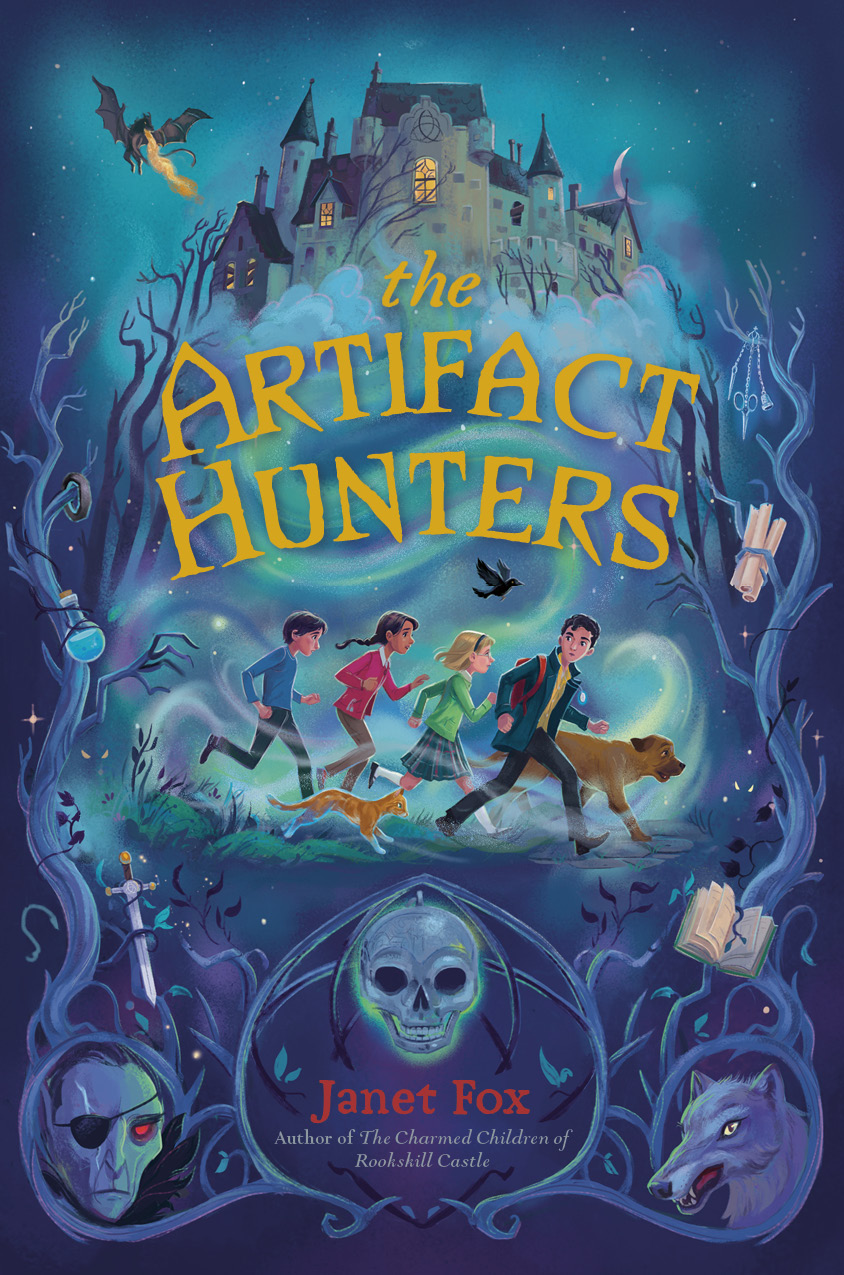
Janet Fox, The Artifact Hunters: Isaac Wolf can travel through time. But he’s also in a race against it. With tensions in Prague rising at the height of World War II, Isaac Wolf is forced to leave home with nothing more than a small backpack and a pendant in the shape of an eternity knot. His parents believe the pendant will keep him safe–if he can discover what it really means.
Lindsay Curie, Scritch Scratch: “This is a teeth-chattering, eyes bulging, shuddering-and-shaking, chills-at-the-back-of-your-neck ghost story. I loved it!”―R.L. Stine, author of the Goosebumps series. For fans of Small Spaces and the Goosebumps series by R.L Stine comes a chilling ghost story based on real Chicago history about a malevolent spirit, an unlucky girl, and a haunting mystery that will tie the two together.
Kim Ventrella, The Secret Life of Sam: The timelessness of Bridge to Terabithia meets the wonder of Big Fish in this bittersweet, magical story, perfect for fans of Barbara O’Connor, Lisa Graff, and Dan Gemeinhart.
Obviously, all of us at Spooky MG love creepy stories. And we love the ones written for young readers with a special fierceness.
But I wanted to know about the books that genuinely terrify us—or that terrified us when we were young and impressionable, and that may have given us writing (or nightmare) material for years to come.
I’ll knew what my own answer would be:
Like pretty much everyone else in my Elder Millennial/Oregon Trail generation, my third grade mind was blown by Alvin Schwartz’s SCARY STORIES TO TELL IN THE DARK. I was terrified by those collections, and I adored them—probably for the same reasons. My friends and I would read them aloud at sleepovers, poring over Stephen Gammell’s illustrations, scaring ourselves catatonic. On my own, I would turn back to certain stories or images again and again, seeing if they were as frightening as I remembered. They always were.
If I had to pick a few stories that really dug their hooks into me, I might say “The Bride” (Gah, “The Bride”!!), “The Wendigo” (Its frozen, empty eeriness hit this upper Midwesterner hard), or “Me Tie Doughty Walker,” where the protagonist’s dog begins speaking in strange nonsense words, and is answered by a voice that comes from somewhere in the darkness outside his little cottage… The thought of that one still makes me shudder.
I know some grownups who say they were scarred by these books, and who wish they hadn’t read them when they were small. I suppose I was scarred by them too. But I’m weirdly grateful for it. Without them, I’m not sure what dark and terrible things would be missing from my imagination. And now I get to play with those dark and terrible things when I sit down to write creepy stories of my own.
So, what books for young readers scared—or scarred—my fellow Spookies?
Sarah Cannon (ODDITY, TWIST)
Before SCARY STORIES TO TELL IN THE DARK or GOOSEBUMPS, there was an author named Daniel Cohen who used to put out scary story collections, and GHOSTLY ANIMALS in particular scared the pants off me. There was a ghost that was a skunk with a human face, which was so completely out of left field that it blindsided me…it hadn’t even occurred to me to be scared of such a thing before! Also, Phillis Reynolds Naylor’s Witch series (WITCH WATER, WITCH’S SISTER, etc.) scared me half to death, mostly because the villain was a scary old lady neighbor. The adults could *see* her, they just thought the kids were being fanciful. But they weren’t, and the scary incidents that illustrated this were extremely real to me.
Samantha M. Clark (THE BOY, THE BOAT, AND THE BEAST)
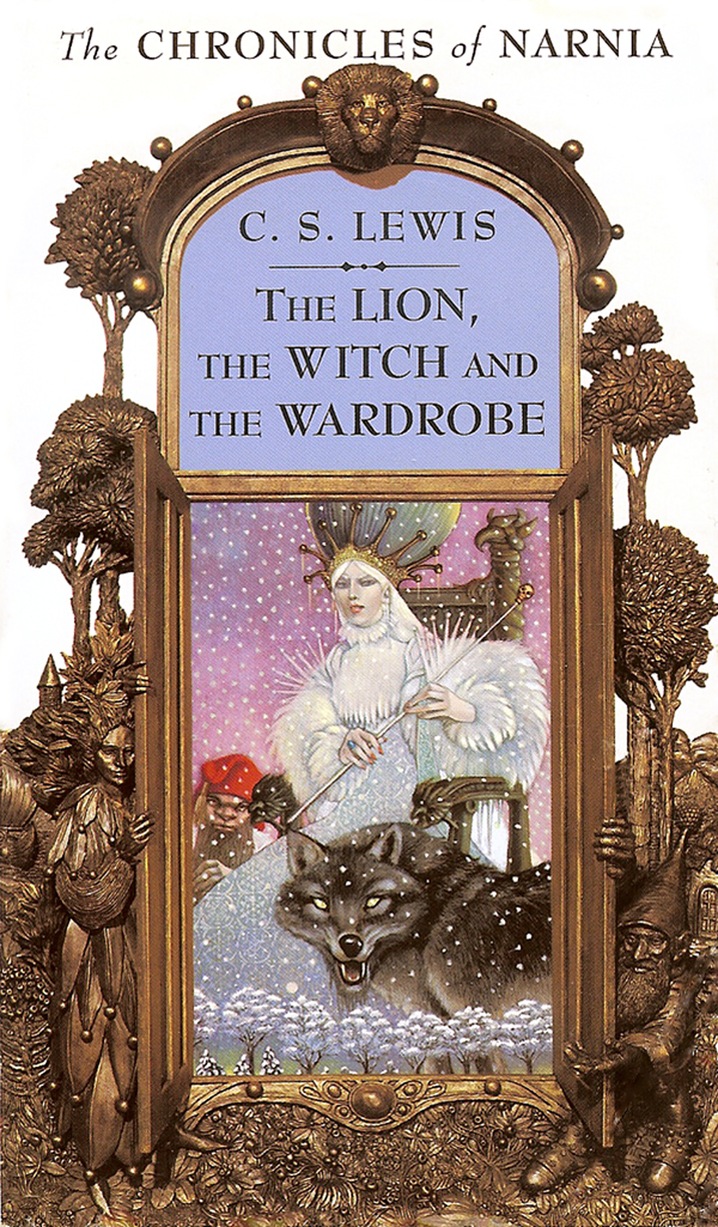
The book that terrified me most as a kid was actually THE LION, THE WITCH, AND THE WARDROBE. I was terrified that the Witch was going to turn me to stone and horrified about all the animals that had been turned to stone. The idea still haunts me to this day. I’ve never been able to look at realistic statues without wondering if a person is trapped inside…
Tania del Rio (WARREN THE 13TH series)
So a book that scared me as a kid was The BFG by Roald Dahl, which is funny because it’s not even a scary book, at least not compared to, say, THE WITCHES. And even though BFG literally stands for big FRIENDLY giant, I still used to lay awake at night terrified that an enormous eye would peer into my bedroom window or that a massive hand would reach through and whisk me away. Even the idea of a giant man blowing pleasant dreams through a long horn creeped me out. It didn’t help that I had tall poplar trees in my backyard and at night, their silhouettes looked like giants wearing long cloaks! 😬
Janet Fox (THE ARTIFACT HUNTERS, THE CHARMED CHILDREN OF ROOKSKILL CASTLE)
I hate to say it, but almost nothing I read as a kid scared me. Even the grownup books. Even DRACULA. But put me in front of a mildly scary movie – even today – and I will have nightmares for weeks, months, years. I don’t know if that helps, but it’s the truth. And maybe why I can write scary books today.
Lorien Lawrence (THE STITCHERS)
Lorien Lawrence (THE STITCHERS)
The first scary story that comes to mind is “The Green Ribbon” by Alvin Schwartz from his IN A DARK, DARK ROOM collection. I remember a librarian reading this to my class as kindergarteners – which seems bizarre now because it’s SUCH a scary story, even by today’s standards! We were all sitting on the carpet, huddled together, just listening. I could not stop thinking about it for days afterwards. It definitely gave me nightmares, but it also left me wanting more. I’m sure that read-aloud jump started my love of all things spooky!
Cynthia Reeg (FROM THE GRAVE, INTO THE SHADOWLANDS)
Cynthia Reeg (FROM THE GRAVE, INTO THE SHADOWLANDS)
I have to admit that I was a Nancy Drew addict—these creepy, spooky, mysterious books always appealed to me. Plus, I enjoyed trying to solve the puzzle, and they were easily accessible at the small local libraries where I lived when I was an MG reader. But I also remember how creepy and chilling the GREEN KNOWE books by Lucy M. Boston were. Loved them! And often I would ready spooky Clyde Robert Bulla books like THE GHOST OF WINDY HILL. First and foremost in monstrous books for me were fairy tales and folklore stories, which were again easily accessible and often taught at school.
Kim Ventrella (THE SECRET LIFE OF SAM, THE SKELETON TREE, etc.)
As a kid, I always found myself yearning for stories that both transported me and reflected my experiences, and those experiences weren’t always roses and rainbows. Books that tackled tough topics or delved into the scary or macabre, rather than frightening me, made me feel accepted and understood. They validated my experience and gave me courage. I especially loved SCARY STORIES TO TELL IN THE DARK, mostly thanks to the disturbing, ethereal imagery. Unlike other scary books for kids, that collection didn’t sugar-coat things. I remember being in fifth grade and getting super upset when I read a book (that shall remain unnamed :P) where the ‘monster’ turned out to be some big misunderstanding, basically a Scooby Doo ending. I wanted the monsters to be real, so that I could see kids overcoming true evil. I longed for that catharsis. The funny thing is that now, as an adult, my books with ’spooky’ themes are all about finding light, whimsy and wonder in the midst of darkness. The spooky elements are there partly to lessen the blow of the real-life tough topics I address, like loss and grief. But I think the two needs are connected, i.e. the need I had as a young reader to see kids overcoming true evil, and the recognition that, as an adult, real life is much more terrifying than any kind of fantasy monster.
Jacqueline West is the author of THE BOOKS OF ELSEWHERE, THE COLLECTORS, and DIGGING UP DANGER, as well as the YA horror novel LAST THINGS. Visit her at http://www.jacquelinewest.com, or find her at jacqueline.west.writes (Instagram) or @JacquelineMWest (Twitter).
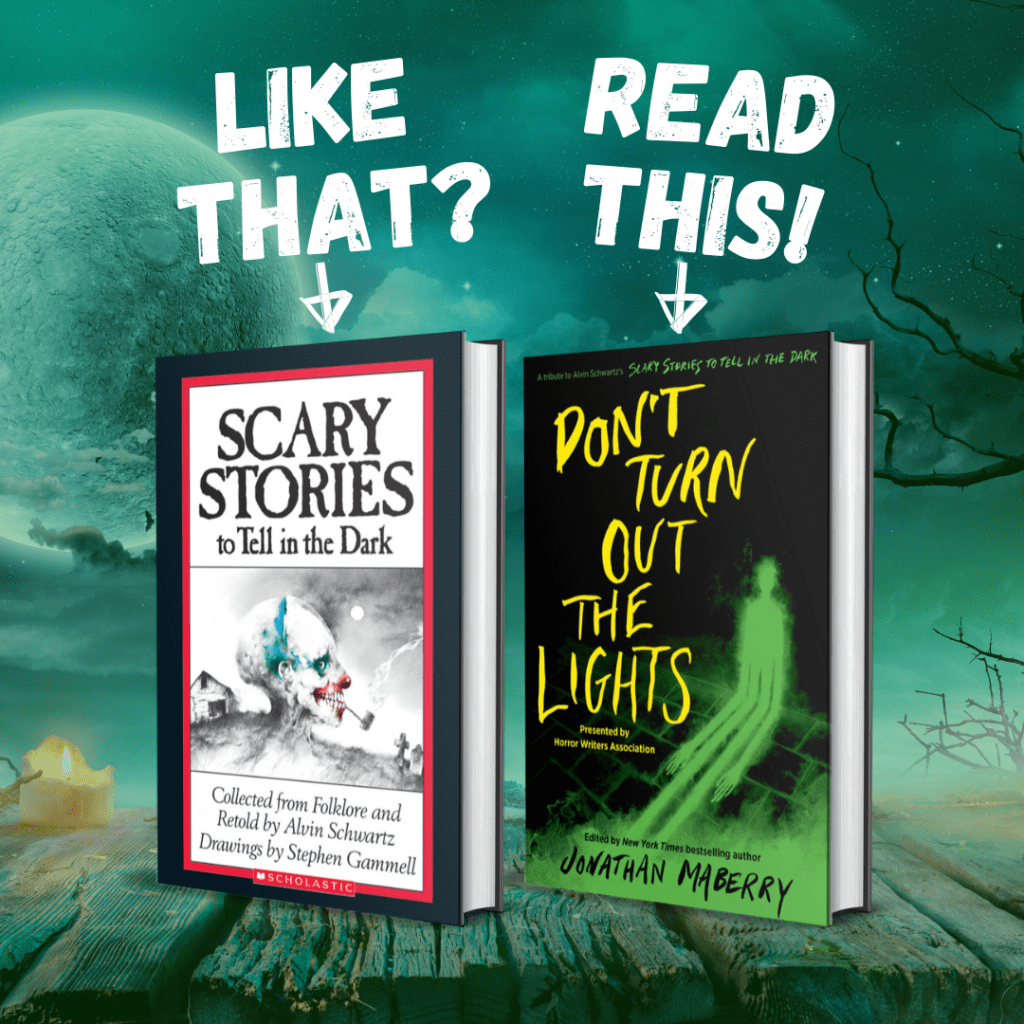
Like most kids of the eighties and nineties, I grew up reading the SCARY STORIES TO TELL IN THE DARK anthology by Alvin Schwartz with haunting illustrations by Stephen Gammell. Unlike other scary books for kids, that collection didn’t sugar-coat things. I remember being in fifth grade and getting super upset when I read a book (that shall remain unnamed :P) where the ‘monster’ turned out to be some big misunderstanding, basically a Scooby Doo ending. I wanted the monsters to be real, so that I could see kids overcoming true evil. So I could believe that I too could conquer my personal demons. I longed for that catharsis, and it required real monsters.
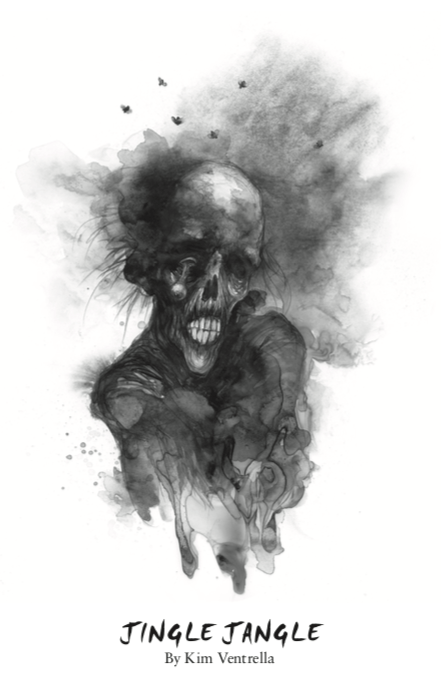
That’s why I’m so thrilled to have a story in a brand new anthology, DON’T TURN OUT THE LIGHTS: A TRIBUTE TO ALVIN SCHWARTZ’S SCARY STORIES TO TELL IN THE DARK, presented by the Horror Writers Association. For me, this was all about coming full circle, returning to the series that inspired my creativity as a child. The anthology features 35 original tales by 35 of today’s top authors, edited by Jonathan Maberry.
I had a chance to chat with just a few of the contributors to ask them about their contribution and the influence of the original SCARY STORIES series. Here’s what they had to say:
Kami Garcia
Kami is the #1 New York Times and USA Today bestselling author and comic book writer of thirteen novels including the Beautiful Creatures novels, BROKEN BEAUTIFUL HEARTS, TEEN TITANS: RAVEN, and TEEN TITANS: BEAST BOY. Find Kami online at www.kamigarcia.com.
Kim: What inspired your contribution?
Kami Garcia: My story is about a bottle tree and a ghost. My mom’s family is from North Carolina and bottle trees are very common there. My mom has one in her yard. According to the superstition, if you put brightly colored bottles on the branches of a tree, ghosts will be attracted to the color and they will get caught in the bottles.
Kim: Oooh, can’t wait to read it! This anthology is a tribute to SCARY STORIES TO TELL IN THE DARK. What memories to you have of that series from childhood?
Kami Garcia: I loved reading SCARY STORIES TO TELL IN THE DARK when I was in elementary school. They have a timeless quality. I was a teacher before I became a writer and my students loved SCARY STORIES TO TELL IN THE DARK, too!
Kim: Why you think kids are so drawn to these chilling tales?
Kami Garcia: Reading stories about scary things allows children to experience their fears in a safe way.
Z Brewer
Z is the NYT bestselling author of THE CHRONICLES OF VLADIMIR TOD series, as well as INTO THE REAL (coming 10/20), THE SLAYER CHRONICLES series, SOULBOUND, THE CEMETERY BOYS, THE BLOOD BETWEEN US, MADNESS, and more short stories than they can recall. Their pronouns are they/them. When not making readers cry because they killed off a character they loved, Z is an anti-bullying and mental health advocate. Plus, they have awesome hair. Find out more at http://zbrewerbooks.com/.
Kim: What inspired your contribution?
Z Brewer: When I was a kid, my dad used to warn me that it was bad luck to pass a graveyard without whistling. His mom, my grandmother, had told him that same thing his entire childhood. It was a “fact” that they both passed on in a very serious tone. I was twelve before I was brave enough to not whistle past the graveyard. Fortunately nothing happened to me because of it…yet. But that fear has always been at the back of my mind.
Kim: What memories do you have of the SCARY STORIES TO TELL IN THE DARK series from childhood?
I was obsessed with SCARY STORIES when they came out. The artwork was terrifying. The tales made my heart race. I loved every frightening moment. But my favorite memory is what transpired after I read “The Green Ribbon.” The story is about a girl who wears a green ribbon around her neck at all times. She meets a boy and falls in love, but the boy asks her over and over again throughout the years why she wears the ribbon around her neck. She eventually gets very sick and as she’s lying on her deathbed, she tells him to untie the ribbon and he will understand why she’d never told him why she wore it. He unties it…and her head falls off. It was gruesome. I loved it.
…which is why I took a bit of curling ribbon from a gift that had been opened and tied it around my neck (looking back on it, I can see how stupid and dangerous that was) so I could tell people that if I removed it, my head would fall off.
Did I mention I had no friends?
Kim: HAHAHA, yes! I think we are kindred spirits! Why do you think kids are so drawn to these chilling tales?
The stories were not at all reflective of children’s books at the time. They were dark. They were gritty. They had imagery that horrified even adults. There was so much about them that was forbidden fruit to so many people. Parents and teachers told kids not to read them, which made them even more tantalizing. Apart from the chill up my spine, I think my favorite thing about them is that SCARY STORIES inspired so many to rebel and pick up the books. I’ve always been of the mind that if someone tells you not to read something, you should absolutely read it to find out what they’re keeping from you. Viva la Resistance!
Barry Lyga
Called a “YA rebel-author” by Kirkus Reviews, Barry Lyga has published twenty-four novels in various genres in his fourteen-year career, including the New York Times bestselling I Hunt Killers. His books have been or are slated to be published in more than a dozen different languages in North America, Australia, Europe, and Asia.
Kim: What inspired your contribution?
Barry Lyga: I was thinking about something that could happen without reason or logic because those sorts of things, in my opinion, tend to be the scariest. I’ve always liked doppelgänger stories, so the idea of a murderous twin that comes out of nowhere really resonated for me. Originally, I thought a cursed mirror would create the doppelgänger…but then I realized that cursed mirrors have been done to death (literally, sometimes!). So I thought and I thought…and then I looked down at my keyboard…
Kim: Who doesn’t love an evil twin, am I right? Why do you think kids are so drawn to terrifying tales?
There are many different theories on this, but I think it’s because horror provides a way for them to experience and even experiment with things that are dangerous or frightening without actually being in danger. It’s almost like a training session for dealing with the more mundane — but very real — terrors of the real world.
Jonathan Maberry
Jonathan is a New York Times best-selling and five-time Bram Stoker Award-winning author, anthology editor, comic book writer, magazine feature writer, playwright, content creator, and writing teacher/lecturer. He was named one of the Today’s Top Ten Horror Writers. His books have been sold to more than two-dozen countries. Find out more at http://www.jonathanmaberry.com/.
I also had the pleasure of chatting with the editor of DON’T TURN OUT THE LIGHTS, Jonathan Maberry!
Kim: Sum it all up for us. Why do kids have such an enduring love for scary stories?
Jonathan Maberry: Kids like being scared for a whole slew of reasons. Partly it’s the simple thrill –the physical and biochemical reaction to fear that releases a bit of epinephrine (aka that old fight or flight hormone popularly known as adrenaline) which makes us feel stronger, faster, and more capable of escaping danger or dealing with it on our own terms and with our own resources. Kids, being younger and smaller than adults, have a natural inferiority complex, but the more challenges kids face –however virtual—the more agency they take over themselves.
Scary stories –especially those written expressly for kids—teach problem-solving; they often focus on elements of teamwork and friendship; and they often have better third acts than does the real world.
From a personal perspective, I grew up in a very troubled household that was in a crime-ridden and dangerous neighborhood. I read scary stories of all kinds because in those stories there was always an ending. But the stress in my life went on and on for years. So the stories were true escapism for me. This is something common to many millions of kids –and not just those from bad neighborhoods or abusive families. Kids face the challenges of a scary world every day, but in their stories those frights are encountered, experienced, and ultimately left behind. There is a measure of closure. Or, at least, the promise of one.
Want a sneak peek at the contents?
Here’s the line-up for this totally terrifying anthology:
Editor’s Foreword by Jonathan Maberry “The Funeral Portrait” by Laurent Linn “The Carved Bear” by Brendan C Reichs “Don’t You See That Cat?” by Gaby Triana “The Golden Peacock” by Alethea Kontis “The Knock-Knock Man” by Brenna Yovanoff “Strange Music” by Joanna Parypinski “Copy and Paste Kill” by Barry Lyga “The House on the Hill” by Micol Ostow Harlan “Jingle Jangle” by Kim Ventrella (Oooh, it’s me!) “The Weeping Woman” by Courtney Alameda “The Neighbor” by Amy Lukavics “Tag, You’re It” by N. R. Lambert “The Painted Skin” by Jamie Ford “Lost to the World” by John Dixon “The Bargain” by Aric Cushing “Lint Trap” by Jonathan Auxier “The Cries of the Cat” by Josh Malerman “The Open Window” by Christopher Golden “The Skelly-Horse” by T. J. Wooldridge “The Umbrella Man” by Gary A. Braunbeck “The Green Grabber” by D.J. MacHale “Brain Spiders” by Luis Alberto Urrea and Rosario Urrea “Hachishakusama” by Catherine Jordan “Light as a Feather, Stiff as a Board” by Margaret Stohl “In Stitches” by Michael Northrop “The Bottle Tree” by Kami Marin Garcia “The Ghost in Sam’s Closet” by R.L. Stine “Rap Tap” by Sherrilyn Kenyon “The Garage” by Tananarive Due “Don’t Go into the Pumpkin Patch at Night” by Sheri White “Pretty Girls Make Graves” by Tonya Hurley “Whistle Past the Graveyard” by Z Brewer “Long Shadows” by James A. Moore “Mud” by Linda D Addison “The Tall Ones” by Madeleine Roux
Hold on, what about the artwork?
I know what you’re thinking: The artwork was what made the original books so terrifying, right? I couldn’t agree more, and this anthology will not disappoint. It features gorgeous, ethereal and so-so haunting images by the amazing Iris Compiet.
Iris Compiet
Iris Compiet is an award-winning artist from the Netherlands. She has worked for a wide range of international clients and contributed to gallery shows and art annuals. She is also the creator of the book Faeries of the Faultlines. Drawing inspiration from European folklore, mythology, fairy tales, and the world around her, she strives to open a gateway to the imagination to ignite it even further.
Kim: Your illustrations are gorgeous, surreal and unsettling. Were you inspired by Stephen Gammell’s illustrations from the original SCARY STORIES books? How did you bring your own voice to the project?
Iris: I’ve been working in this illustration style for a while now, mixing ink with pencils and such to create a mood. I always try to adapt my illustrations to the needs of the book and stories, to help get across the feel of them and this style was the perfect fit. Rough and a bit gnarly. I think the use of materials and technique is very important in getting across the feel of the story, the illustration has to give the reader a little bit more information, heighten the mood so to speak. It seemed a perfect fit for these stories and it naturally ended up as a nod to the original scary stories, almost a homage if you will because those originals are pure genius. I wanted the illustrations to just underline that unsettling feel of the stories without giving away too much.
Kim: What scared you as a kid? Do those fears inspire your artwork?
Iris: I think I was afraid of the usual things as a kid, the thing hiding in my closet or under my bed. The creak upstairs at my grandmothers, things like that. I love a good scare and loved watching shows like Are You Afraid of the Dark. When I worked on these stories I tried to tap into those feelings
Kim: You’re known for creating fantastical creatures with touches of darkness and whimsy. How did you develop your unique artistic style?
Iris: Developing a style takes many years and a lot of work. I didn’t set out intentionally to develop my style like this but I love to mix things, I don’t believe something is 100% good or bad. Without darkness there can be no light, that’s the way I see things. So I love to create art that has both in them. Depending on who is looking at the artwork, they’ll be either drawn to the dark or light in a piece. I enjoy creating art that has both.
Kim: Why do you think kids connect so deeply with scary stories/art?
Iris: I think there’s nothing like a good scare, that rush of adrenaline, not just with kids. I think we all enjoy a good scare once in a while, to confront those fears and come out of it as the victor because we ‘survived’ the story. It’s a safe escape, reading scary stories. As a kid I grew up with the real fairytales, the ones with the chopped-off hands and the livers being eaten, things like that. I enjoyed Jaws as a kid even though it made me scared to go into the local pool, because there might be a giant shark there. It gave me a rush but it was a safe rush, nothing would ever happen to me.
Oh, and in case you wanted a sneak peek at the chapter art:
*If you order from our Bookshop.org store, you are supporting indie bookstores + ensuring we can continue to offer free virtual visits with schools across the country.
This title had me at Midnight and Hotel. Only the most spookiest activities and, dare I say, accidents (s said with a bit of slither) happen in the middle of the night at a hotel.
I’m so excited to share our next middle grade author with you! Fleur Bradley is super talented, has a fond affection for all things Agatha Christie, and has visited the stately Stanley Hotel of the horror film The Shining. #BooTo top all that off, she’s offering up one signed copy of her book! So make sure to scroll to the end to enter the giveaway for your chance to win!
Hunting ghosts and solving the case before checkout? All in a weekend’s work.
When JJ Jacobson convinced his mom to accept a surprise invitation to an all-expenses-paid weekend getaway at the illustrious Barclay Hotel, he never imagined that he’d find himself in the midst of a murder mystery. He thought he was in for a run-of-the-mill weekend ghost hunting at the most haunted spot in town, but when he arrives at the Barclay Hotel and his mother is blamed for the hotel owner’s death, he realizes his weekend is going to be anything but ordinary.
Now, with the help of his new friends, Penny and Emma, JJ has to track down a killer, clear his mother’s name, and maybe even meet a ghost or two along the way.
Don’t you just love this cover art with the windows shaped like coffins, the moon illuminating the trio’s shadows, and even a black cat in the background!
Author Interview!
Hello Fleur! So happy to welcome you to our crypt. I know readers are excited to meet you. Let’s give them a peek into your middle grade work. What is your favorite part about writing middle grade literature?
I love the honesty of middle-grade: kids who are around twelve years old really see the world clearly, including the (flawed) adults in it. Writing MG is some of the hardest writing I’ve ever done, because your words have to be as honest too—and to the point. The bar is high, as it should be. You better bring you’re A-game in MG!
We know that Agatha Christie is one of your inspirations for writing a murder mystery for MG readers. How is this story like an AC mystery and how is it different?
I grew up reading Agatha Christie books, and wanted to give kids an introduction to that classic murder mystery story. There are colorful characters, a remote mansion, and several guests/suspects who could’ve committed the murder—all ingredients to a Christie novel.
Where I think it’s different is that my kid characters are also doing some ghost hunting. The spooky element gives the book an extra fun element, I think. It certainly was a lot of fun to write.
Give us three words that best describe Midnight at the Barclay Hotel.
Spooky. Murder. Mystery. 😍😍😍
The idea of ghost hunting is popular with lots of young readers. What makes this ghost hunt unique?
The element of the murder mystery adds extra pressure to the ghost hunting—and it sometimes forces the kids to leave the ghost hunting for later. In this case, I would say ghost hunting is a subplot that becomes more important later in the story, as the kids solve the murder mystery.
Share with readers the friendship that develops between your main cast – JJ, Penny and Emma.
At the beginning of the story, JJ really just wants to be left alone to do his ghost hunting. He doesn’t appreciate Emma’s intrusiveness or Penny’s skepticism. As the story goes on and the murder mystery takes center stage, all three kids realize that they have their best ideas when working together. Even if each has a secret they’re trying to keep…
Ooh . . . sneaky secrets!
Do you have a favorite scene in the book?
Oh, there are so many… My favorite is probably where JJ’s secret is finally out, and he has to talk to his mom. It’s a sweet moment—I really wanted to show how they are close, and how a secret can get so big that it takes on a life of its own.
JJ’s mom helps JJ overcome his reading difficulty when he’s young—I had to do the same with my youngest daughter, so this story element is close to my heart.
💚💚💚
Is there a message or feeling you hope stays with readers once they’ve read the story?
I hope the book shows that people can change for the better. And especially for kids, I hope it shows that even if it’s hard to tell the truth sometimes, it’s really for the best. JJ ends up carrying a secret around (literally: it’s in his backpack) that wouldn’t have felt so heavy if he’d just told his mom the truth in the beginning.
Such a great life lesson, and so very true.
With the current education challenges facing teachers and parents, how can they encourage middle schoolers to engage in more independent reading and writing?
Anytime—whether it’s during a pandemic or not—I believe choice should be part of reading. If kids can choose what they read, they’ll associate reading with something they have control over and choose to do. It really doesn’t matter what kids are reading, as long as they’re reading.
And parents: try reading yourself if you aren’t! You’re the best example to your kid.
Great advice! Thank you.
A little bit of fun before we end. Inquiring minds want to know:From your personal experience, what middle grade book is a must read?
In mystery, I’d say Closed for the Season by Mary Downing Hahn—it’s such a great book for younger MG readers. And I’m going to cheat and pick two: I really loved The Parker Inheritance by Varian Johnson recently—such a strong story.
What can your readers expect from you next?
I’m working on a (top secret! Well, at least for now) new middle-grade mystery. This one is spooky and has a great setting, just like Midnight at the Barclay Hotel. So far, it’s a blast to write!
Sounds amazing! Can’t wait to find out more . . . I mean, when you can spill the spooky secret.👻
Here’s what people are saying about the book:
Chris Grabenstein, multi-award winning author of Escape from Mr. Lemoncello’s Library, on Midnight at the Barclay Hotel.
“A madcap mystery that I couldn’t put down!” –Jennifer Chambliss Bertman, New York Times bestselling author of The Book Scavenger series on Midnight at the Barclay Hotel.
“Agatha Christie references abound, and the hotel setting shines. A quirky, kid-friendly introduction to the murder mystery.” –Kirkus Reviews on Midnight at the Barclay Hotel.
Fleur is passionate about two things: mysteries and getting kids to read, and she regularly speaks at librarian and educator conferences on reaching reluctant readers. Originally from the Netherlands, Fleur now lives in Colorado Springs with her husband and two daughters, and entirely too many cats.
For more information on Fleur and her books, visit http://www.ftbradley.com, and on Twitter @FTBradleyAuthor.
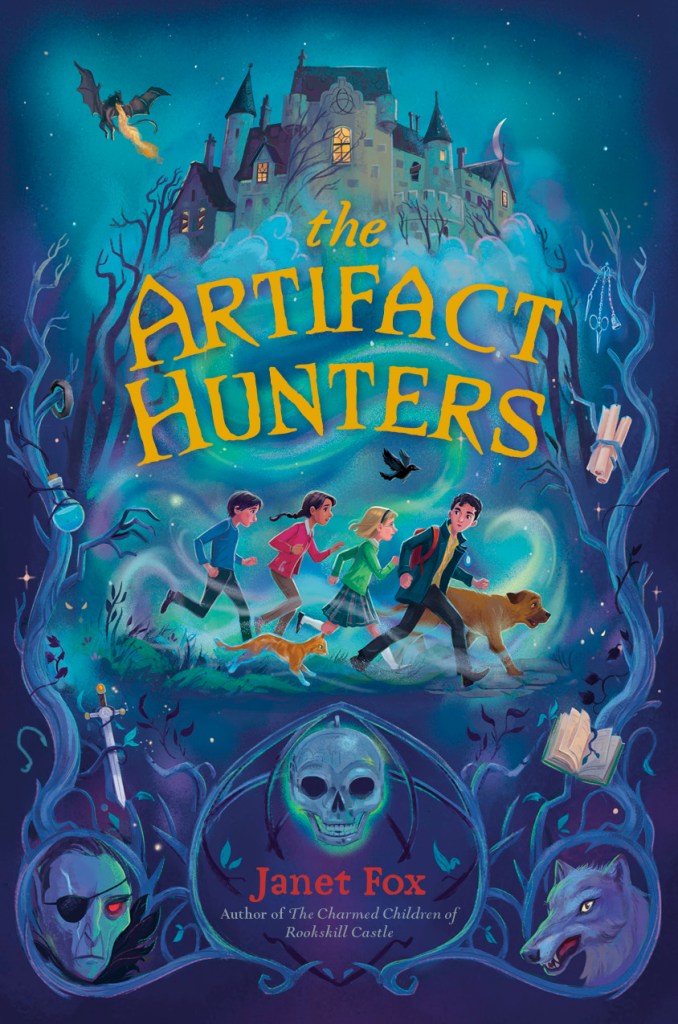
Fellow Spooky Middle Grade Author Janet Fox has a new book coming out soon called THE ARTIFACT HUNTERS! It arrives August 25th and I had the pleasure of reading an early copy of this wonderful and spooky tale. Let me just say you’re in for a treat! Janet was kind enough to answer some questions about her book, but first, here’s an official description to whet your appetite:
With tensions in Prague rising at the height of World War II, Isaac Wolf is forced to leave home with nothing more than a small backpack and a pendant in the shape of an eternity knot. His parents believe the pendant will keep him safe–if he can discover what it really means.
This clue leads him to Rookskill Castle, home of the Special Alternative Intelligence Unit where gifted children can learn to harness their powers to support the Allies’ cause. With the help of his new friends and an antique watch that allows him to travel through time, Isaac must unlock his own powers and uncover the true meaning of the eternity knot. The only way he can do that, though, is by hunting for a series of magical artifacts that are scattered throughout the past . . . and Isaac isn’t the only artifact hunter. Soon he finds himself in a race against a threat just as deadly as the war itself–one that his parents had been trying to shield him from all along.
TANIA: The Artifact Hunters is a spooky and thrilling adventure that blends historical elements with fantasy and mystery. What was your inspiration behind the story?
JANET: Thanks, Tania! The Artifact Hunters is a sequel to The Charmed Children of Rookskill Castle, but my editor and I wanted to do something different. But I also wanted it to be in keeping with the earlier book, and I loved how the chatelaine played such a crucial role there. While I was mulling ideas I came across an article about something called a Death’s Head Watch.
Well, as you can imagine (this is a spooky book, after all), that name alone made me sit up and take notice. And then I saw it and I was hooked. These watches were made in the seventeenth century – basically, they are pocket watches – and made to remind the bearer of their mortality. The one I read about belonged to Mary Queen of Scots, who was beheaded for treason.
I put the watch together with my new protagonist – Isaac Wolf – and wondered, what if the watch was a time travel device? And was one of many “artifacts” with magical properties? And what if those artifacts were in danger of misuse, by Hitler, or something else?
TANIA: The book takes place in multiple places across time including Prague and Scotland during WW2, Ancient Greece, and Pre-Columbian Bolivia, to name a few! That must have taken a lot of research. Did you get to visit any of these countries in person?
JANET: It was a lot of research, and took me a while to write. But yes! I have been to all those countries. Just not those times (though wouldn’t that be fun? Maybe?) My most recent trip was in the fall of 2018 to Prague, which is a beautiful city with a rich history. The Astronomical Town Clock is a wonder.
But I think Scotland has my heart. My ancestors are Scots/Irish, so perhaps it’s the draw of the past…
TANIA: The Artifact Hunters is a companion to your earlier novel, The Charmed Children of Rookskill Castle, which features a lively cast of characters with magical powers. If you could have a magical power, what would it be?
JANET: Oh, what a great question. I think I would love to be able to fly. That way I could go anywhere I wanted at any time. (That’s the one thing about this pandemic that I’ve missed – being able to travel.)
I tried to give my characters magical powers that were just at the edge of believable. They can’t fly or become completely invisible (though, close), but they can talk to animals or commune with ghosts. That way a reader might feel that they, too, could develop a power with enough practice, even the power to find deeper meaning or understand the magic of science.
TANIA: As if Nazis weren’t scary enough, your book also features some terrifying supernatural villains based off of Scottish lore. Why do you personally think spooky stories are important for young readers?
JANET: I think young readers need a safe place to examine their fears. The world is a terribly scary place, especially now. When a reader feels the emotions of fear or horror or anticipation in a book, she can experiment. “What would I do if I met a monster?” “How would I deal with meeting a ghost?” “Who would I turn to for support?”
And I try to write teamwork and family into my books in these situations, so that readers learn to reach out to others for help. It’s awfully hard to be alone and scared. So adding the component of friendship in a scary book for kids is important to me.
TANIA: What is your writing process like? Was this a hard or easy book for you to write?
JANET: This book was hard in a way because I wanted it to live up to the first book, which did really, really well. And I wanted it to be different enough that it could stand on its own, but connect enough to answer reader questions about the things left dangling in the first book.
As to my writing process, I’m a dedicated pantser who is trying to plan more. I’m beginning to get a handle on a new process that works for me, to help me plan, rather than struggling to find my way through each and every new book as if I’m learning all over again, reinventing the wheel.
TANIA: Without giving away any spoilers, the end of the book leaves open the possibility for more adventures with Isaac and the Artifact Hunters. Will we be seeing more of them? (I hope so!)
JANET: Maybe. My publisher doesn’t want one right now. They’re considering an entirely new, somewhat spooky but very different idea that I’m excited about, so keep fingers crossed. But I never say never, and in fact have a rough plan for a third and final Rookskill book that would involve taking my SAIU kids to different places, so…who knows?
TANIA: Where can readers connect with you online, and feel free to add anything else you’d like to say to our Spooky MG readers!
I’m also a book coach now, so if you are a writer in need of help, check out my book coaching biz at www.bigpicturestorycoach.com which is also linked on my website.
Hello to all the spooky readers out there who are also spooky writers! Today I want to talk directly to you! Since Covid hit, I’ve been hearing two different strands of the same conversation:
Extroverts: I just need to get out of this house/apartment/yurt and see some PEOPLE.
Introverts: I’d be fine if I wasn’t trapped in my house/apartment/yurt with all these PEOPLE.
Either way, the consensus is that all of this is taking a toll on our writing. I’m in the introvert camp. And because I live in a smallish and very busy house, I usually begin my writing routine by…well…leaving. I do my best work in coffee shops, and sometimes even at the bar of a favorite restaurant. I can work in noisy public places, because nothing going on around me is:
My problem
Going to lead to a bigger problem later (i.e. kids putting liquid dish soap in the dishwasher)
At home, I have to find ways to create a bubble around myself so I can focus. And like most of us, since March I’m basically always at home. So today, I’d like to share a few of the apps and tools that have helped me keep writing.
Ambient Noise Apps:
One of my favorite tricks is to drown out the noises I find distracting. I can’t always do this with music, though. I sing along instead of writing, or I get picky about individual tracks and start skipping around. One app I use instead is Coffitivity, which offers me several different coffee shop background tracks. It lets me add music from another app as if it’s the overhead music in the shop (which helps me leave it alone) and offers the option to choose which sound is dominant, the music or the background noise. I also *loved* the Ambience app, but it’s discontinued (woe)! So far the best replacement I’ve found is Noise– Mix HD. Most ambient sound apps are designed to help you sleep, which is not what I’m looking for! This one has everything from a dog park to a pool at a hotel. You do have to buy individual sounds beyond the basics or purchase the app upgrade, but it’s totally worth it.
Productivity Apps:
My favorite is Focus Keeper, hands down. For those who aren’t familiar with the Pomodoro method, you work in short bursts (like twenty-five minutes) with five minute breaks in between. After a certain number of bursts you get a longer break. The ticking of the timer keeps me focused (although I confess, because I’m a spooky writer I sometimes catch myself looking around for the Bent-Necked Lady from Hill House), and the bell that signals a break is followed by ocean sounds. You can set your own sprint lengths, pause the countdown if you need to, and use it in tandem with music or the ambient noise apps above. Mac/Google Play
Genuinely Wicked Apps
If you’re a Mac user and your primary distraction is web surfing, there’s also a desktop app called Self Control that is not messing around. It will lock you out of absolutely everything until your writing burst is done.
Lastly, there’s my perennial favorite, Write or Die. Don’t Google it. I don’t know what’s going on with Version 3, but it’s a mess. V.2 works fine, though! There’s a web client, or you can purchase the desktop version. You tell it how vicious you want it to be, from getting rickrolled if you pause too long to watching your words erase themselves one by one until you start typing again. Very motivational!
Hopefully some of these apps will make you feel like you’re getting out of the house (or at least help you filter out what’s going on IN your house) so you can write. I’m also definitely here for whining and commiseration, so come find me on twitter (@Saille)! Happy writing!
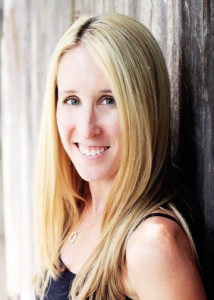
Cory Putman Oakes, author of The Second Best Haunted Hotel On Mercer Street | Photo: Sam Bond Photography
I’ve been a fan of Cory Putman Oakes and her books for years. Afterall, she’s the author of the fabulously magical young adult novel WITCH TOWN and the fantastically fun middle-grade DINOSAUR BOY series, among others. But my excitement was ratched up a thousand when she told about the newest middle-grade book she’d sold, because it has ghosts!
THE SECOND-BEST HAUNTED HOTEL ON MERCER STREET comes out from Abrams on Aug. 18, and I’ve already pre-ordered my copy. (You can get yours here.) You can just imagine my excitement at interviewing Cory about her new book. And the best part? She’s given us a wonderfully spooky recipe to try too.
THE SECOND-BEST HAUNTED HOTEL ON MERCER STREET is “You’ve Got Mail” meets “The Haunted Mansion,” but for a middle grade audience. The idea is that there are two competing haunted hotels on Mercer Street: The Hotel Ivan (small, quirky, family-owned), and The Hauntery (part of a big, soulless, corporate chain). There are also two main characters. There’s Willow, a living girl, whose family has owned the Hotel Ivan for 400 years. Willow’s mother has died and come back as a ghost – she and all of the other friendly ghosts who haunt the Ivan are starting to fade (along with the hotel’s business). Willow is desperate to save her beloved home and the ghosts who are like family to her. Then there’s Evie, a ghost, who works for The Hauntery where she is forced to play the role of “Spooky Little Girl.” Evie longs to play the Terrifying Phantasm, but neither hotel management or her own family will let her prove she’s terrifying enough. The two girls meet at their local library (they’re fans of the same mystery series) and hatch a daring plan to help one another, but can they pull it off before the dreaded Hotel Inspector decides, once and for all, which hotel is the “Best Haunted Hotel on Mercer Street”?
So much fun! What inspired you to write this story?
I spent an entire night walking my infant son around a decidedly not-haunted hotel. He wouldn’t sleep and he’d fuss whenever I tried to sit down so we walked around empty ballrooms, meeting rooms, down quiet hallways, and through the deserted lobby. We didn’t see any ghosts, but seeing a hotel in the dead of night like that – all that emptiness and quiet, with only echoes of all the parties and proms and weddings and life events that have happened there – was the most haunted thing I’ve ever experienced. I knew immediately I had to write a book about a haunted hotel.
You’ve written some other spooky stories. What do you like best about spooky stories?
I love to tell stories that have a spooky (or magical) element brewing right under the surface of “normal.” There’s something very fun about a world that looks a lot like ours except for one, big, spooky/magical difference. In this case – the world of Mercer Street is just like ours, except ghosts exist and are woven into the fabric of everyday life. I love having paranormal elements brush up against modern things like WiFi and Instagram and toxic corporate culture – it allows me to really play with these concepts in interesting ways.
I’ve always loved spooky stories in particular because they are so layered. On the surface, spooky stories are fun in that spine-tingling, oh-no-don’t-open-the-door, deliciously frightening way. But, especially when spooky stories deal with ghosts and hauntings, they always have a deeper layer of meaning that venture into subjects like death, moving on, living life to the fullest, and what it means to really be “alive.” These are all subjects that kids wonder about and often have a hard time discussing because adults don’t always know what to say about them. The great thing about middle grade ghost stories is that they’re safe places for kids to explore these topics – they allow kids to dip their toes in the heavier stuff while they’re still floating on that cushion of surface-level, spine-tingling fun stuff.
What are your favorite spooky stories that you’ve read?
Recently, I’ve really enjoyed GHOST SQUAD (by Claribel Ortega), GREENGLASS HOUSE (by Kate Milford), GLOOM TOWN (by Ronald L. Smith) and THE TOTAL ECLIPSE OF NESTOR LOPEZ (by Adrianna Cuevas). While I was writing this book I also re-watched a lot of old, classic scary movies like The Shining, Poltergeist, Halloween, and The Haunted Mansion – in fact, a lot of my secondary character names ended up coming from those movies!
Have you ever seen a ghost in real life?
I have never seen a ghost in real life. My Gram used to see them with some regularity and at various points in my life, I’ve worried that I might have inherited this talent of hers. But I’m turning 40 this year and it hasn’t happened yet, so I think I’m safe. Thank goodness! As much as I love literary ghosts, I know I’d be absolutely terrified if I ever encountered the real thing.
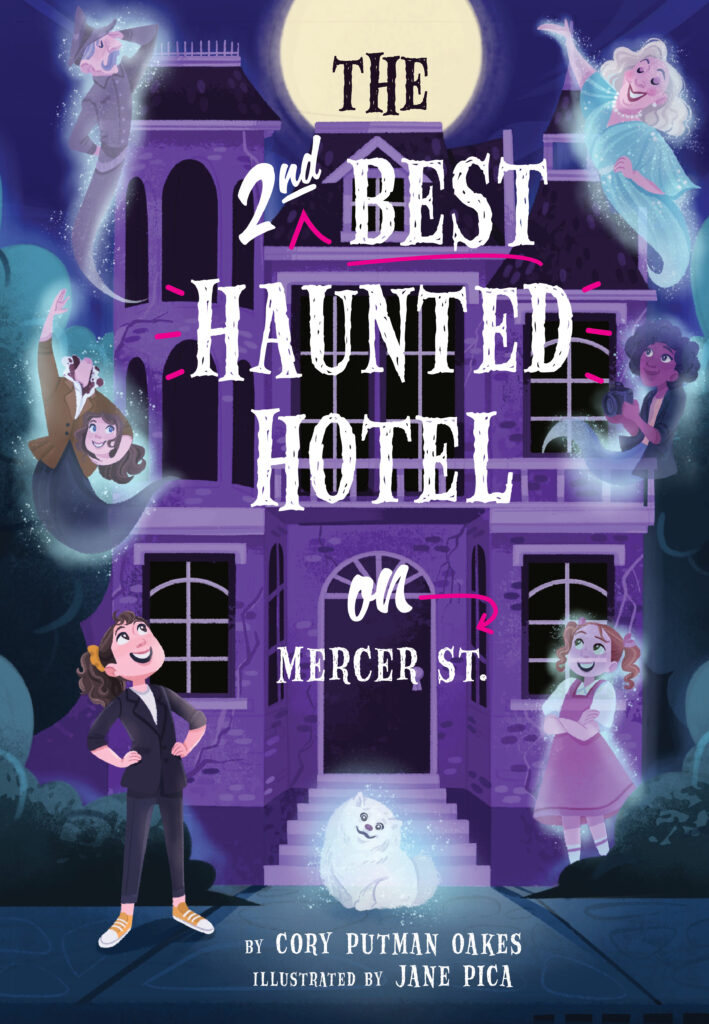
I love the cover too! This book actually has illustrations throughout – they (and the cover) are all the work of a talented artist named Jane Pica. I LOVE the way she captured the personalities of the characters.
And yes, let’s meet them! On the bottom left we have Willow – Willow’s family owns the Hotel Ivan (which everybody is standing in front of). Evie, the other point of view character, is on the bottom right, wearing her “Spooky Little Girl” outfit (which the Hauntery forces her to wear and which she hates with every fiber of her being). Above the girls are some of the Hotel Ivan’s resident ghosts. Going clockwise (starting above Willow’s head), we’ve got: Molly the Headless Horsewoman (she frequently loses her head), Alford (a WW1 veteran who wears his uniform when he’s nervous), Leonata (a drag performer who is married to Alford. When she’s not in drag, she’s Leopold, a former opera singer and the Ivan’s resident Terrifying Phantasm). Bree (the Ivan’s Social Media Coordinator, whose dream is to open her own photography studio). And right at the bottom between Willow and Evie is Cuddles, the Hotel Ivan’s resident ghost dog.
Do you have a spooky craft or recipe to share?
I do! If you’ve been anywhere near my Instagram, you probably noticed that I like to bake. I always try and find a way to sneak baked goods or other recipes into my books. In THE SECOND-BEST HAUNTED HOTEL ON MERCER STREET it was pretty easy – there are actually two other Ivan ghosts who I haven’t mentioned yet (who aren’t on the cover): Antonia, the Ivan’s Head Chef and her niece, Francesca, a Chef-in-Training. They make a number of interesting dishes throughout the story (including one, very memorable dinner party menu). But my favorite, and probably the best one to pass along, is the recipe for the chocolate chip scones they bake for the lobby. This recipe is adapted from one of my all-time favorite scones recipes in The National Trust Book of Scones (by Sarah Clelland).
THE HOTEL IVAN’S CHOCOLATE CHIP SCONES
(Adapted from The National Trust Book of Scones by Sarah Clelland)
INGREDIENTS:
16 oz self-rising flour
4 oz butter, cubed
3 oz caster sugar (or granulated sugar if you don’t have caster)
4 oz chocolate chips (plus more to snack on while baking)
1 egg, beaten
200 ml whole milk
PROCEDURE:
Pre heat oven to 400 degrees.
Sift the flour. Rub in the cubed butter with your fingertips or a pastry blender until it resembles fine crumbs. Stir in the sugar and the chocolate chips.
Add the egg and mix in almost all of the milk (saving a little bit to brush on top of the scones before baking) to make a soft dough.
Knead the dough lightly on a floured surface until it just comes together. Press the dough out with the palms of your hands until it’s about an inch thick then stamp out the scones with a small round biscuit cutter. Re-roll the scraps and stamp out more until you run out of dough. (If you prefer triangle scones, then flatten the dough into a large circle and cut the dough, pizza-style.)
Brush the top of the scones with the remaining milk and bake them for 10-15 minutes until they’ve risen and are golden brown on top.
Eat them while they’re warm and melty. Share with your favorite ghosts.
Mmmm. My mouth is already watering. Thank you, Cory, for stopping by Spooky Middle Grade. We can’t wait for your new book!
Samantha M Clark is the award-winning author of the spooky and mysterious middle-grade novel THE BOY, THE BOAT, AND THE BEAST (Paula Wiseman Books/Simon & Schuster). Find her on Twitter, Facebook, Instagram or her website.














 Sarah Cannon (ODDITY, TWIST)
 Samantha M. Clark (THE BOY, THE BOAT, AND THE BEAST)
 Tania del Rio (WARREN THE 13TH series)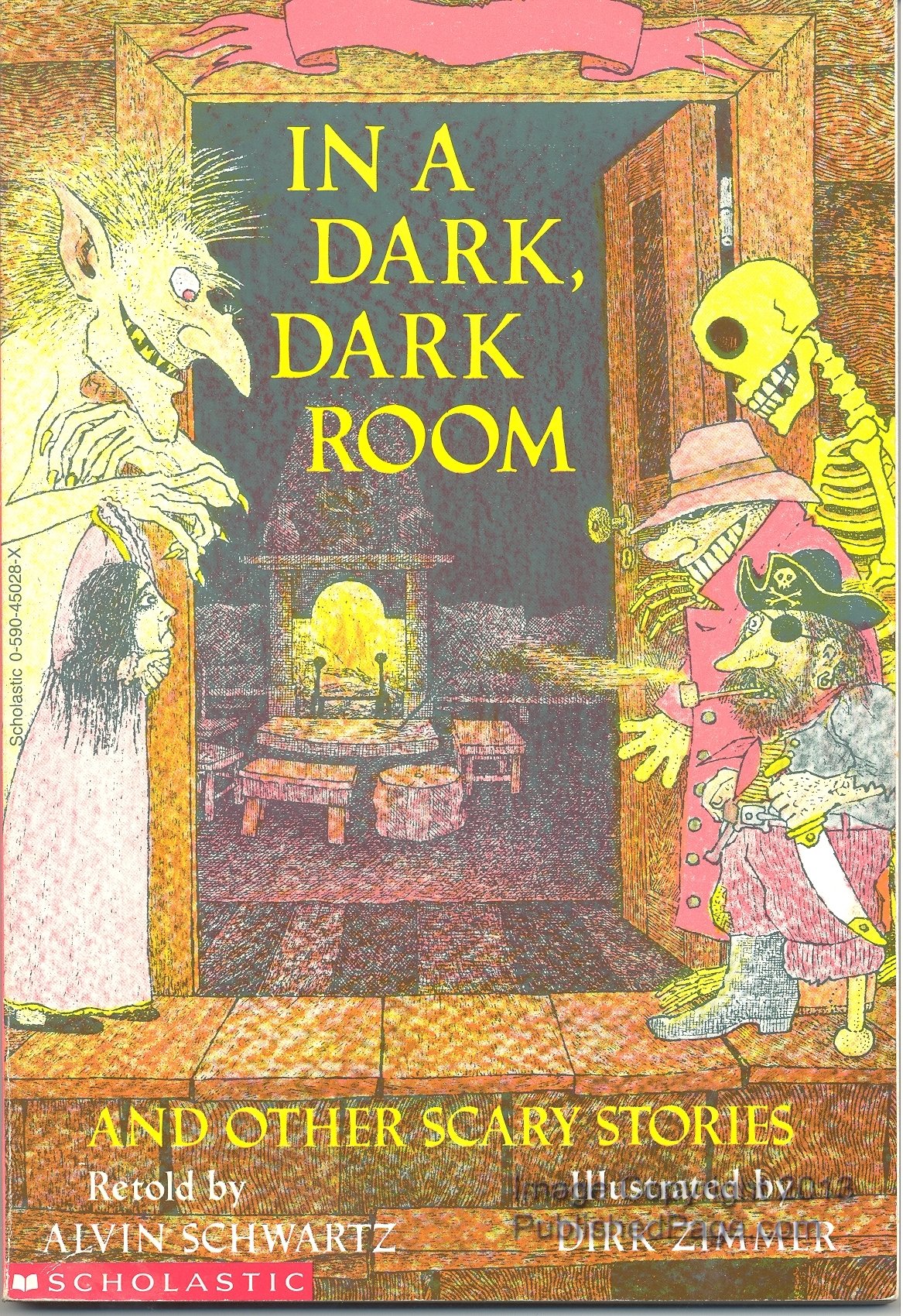





 Fleur is passionate about two things: mysteries and getting kids to read, and she regularly speaks at librarian and educator conferences on reaching reluctant readers. Originally from the Netherlands, Fleur now lives in Colorado Springs with her husband and two daughters, and entirely too many cats.



 So much fun! What inspired you to write this story?
 Spooky Middle Grade