Ally Russell’s novel Mystery James Digs Her Own Grave will publish from Delacorte Press in September 2025. Spooky Middle Grade is excited to help reveal the cover of Ally’s new book, but first . . . let’s tell you what the book is about!
Thirteen-year-old Mystery—who was abandoned in a cemetery and raised in a funeral home—is plagued by sleep paralysis and the smell of ghosts, but she’s used to that. Even though her life might seem “strange” on the outside, she loves it.
That is until a priceless heirloom goes missing and her family’s funeral home is in danger of being shut down. To clear her Tía’s good name, Mystery embarks on an adventure to figure out what really happened to the misplaced necklace.
But to do so, she must contend with the angry patriarch of the town’s wealthiest family, a sleep paralysis demon, a graverobber, and the ghastly half-vampire, half-ghost that’s lurking in the Olde Ellis Town Cemetery.
Shh…
Do you hear that? That’s the sound of a scary cover creeping up on you! Here’s your first look at Mystery James Digs Her Own Grave.
Mystery James Digs Her Own Grave Cover by Ally Russell
Abandoned in a cemetery and raised in a funeral home, a girl who can see and smell the supernatural must solve the mystery of a priceless heirloom stolen from her family’s business. Perfect for fans of Netflix’s Wednesday and Beetlejuice!
Lots of things! My fear of everything, including vampire fangs. (I get overwhelmed with terror whenever I see vampire fangs.) My interest in the history of the vampire of Highgate Cemetery in London. And my love of cemeteries.
How did you end up with such a scary cover? It’s almost too scary for ages 10 and up.
Devin Forst, whose artwork is inspired by things from the shadow realm, illustrated the cover. He really brought Mystery James to life, and he brought Baron, the vampiric ghost in the novel, back to life. My lovely designer at Delacorte, Carol Ly, created the perfect cover.
Where is the perfect place to read this book?
In a cemetery. Or a graveyard. Definitely not from inside a coffin.
What’s one piece of advice that you would give to kids who might be struggling with the threat of vampires?
Eat garlic bread with every meal, and never, EVER, ever invite them inside . . . no matter how much they tap on your bedroom window.
Where and when can readers dig up a copy of this book?
You can preorder the book here and it will arrive on your doorstep on September 16, 2025. You will have to give the book permission to enter the house. (I don’t make the rules about vampires. Sorry.) If you do preorder the book, save your receipt and keep up with me via my newsletter or on social media so that you don’t miss the preorder campaign swag announcement.
About the author: Ally Russell is the author of It Came from the Trees. She grew up on a steady diet of Halloween parties, horror films, Unsolved Mysteries, and Goosebumps books. She has always loved scary stories, and got her MFA from Simmons University. She hails from Pittsburgh—ground zero for the zombie apocalypse. Ally lives with her husband and her two black cats, Nox and Fury. She’s afraid of the woods, the dark, and heights.
Set in a small New England town with a secret history dating back to the Salem Witch Trials, The Witches of Willow Cove is an upper-middle grade series full of magic, mystery, and adventure perfect for readers ages 10 and up. To mark today’s publication of the second book in the series, we’re sitting down with author Josh Roberts for another installment of our Spooky Middle Grade interview series, “5 Questions with …”
1. Tell us about The Curse of Willow Cove and its predecessor, The Witches of Willow Cove.
The first book, called The Witches of Willow Cove, tells the story of a 13-year-old girl named Abby Shepherd, who learns she’s a witch just as a mysterious stranger arrives in town and offers to teach her everything there is to know about witchcraft. The only problem? This stranger might also be responsible for the disappearance of someone close to Abby years earlier . . . and she might have something equally wicked planned this time around.
In The Curse of Willow Cove, Abby has a year of witchcraft under her belt and things are finally starting to go her way—until some of her classmates start vanishing in the night, only to return as something terrifyingly different than before. With the clock ticking and the danger getting closer and closer to Abby’s doorstep, she and her best friend Robby O’Reilly must both decide what they’re willing to risk to save everyone they love . . . before an ancient curse from Willow Cove’s past sinks its teeth into them all.
School Library Journal says that The Witches of Willow Cove series “may be written for middle grade, but the exciting narrative could appeal to young adults,” and that’s exactly what I was going for—a sort of PG-13 story that can genuinely be enjoyed by readers of all ages.
2. What inspired this new book? How did you come up with the idea?
As a lifelong New Englander, I’ve always been interested in the region’s history and folklore, and in particular a mysterious episode from the past called the Great New England Vampire Panic. Back in the late 19th century, farmers and townspeople all across New England became convinced that their dead relatives were rising from their graves as vampires to suck the life from their living relatives. The Curse of Willow Cove began with the question, “What if they were actually right?”
3. Did you love spooky stories as a kid?
My dad was a funeral director and we lived in a spooky old Victorian funeral home for my entire childhood, so in many ways my life was a spooky story. In fact, my dad was the fifth generation in our family to work as a mortician, dating all the way back to the Civil War. I don’t recall reading a lot of scary stories as a kid, but I have always loved inventing them.
The Witches of Willow Cove series borrows heavily from my childhood and teenage years growing up in a New England town just north of Salem, Massachusetts. I became fascinated by the fact that not only were there accused witches all across the state—including one in my hometown—but also that the witch trials did not actually occur in modern day Salem.
That was the kernel of the idea that kicked off the whole series: What if the town you were living in had a secret witch history you didn’t even know about . . . and what if something about your own family history tied you directly to that distant past?
4. What is your writing process?
It changes and evolves with every book. Earlier in my writing career, I was a meticulous outliner. I had to have every scene and chapter mapped out and working perfectly before I could even begin to put words on the page. But what I found is that it made the writing process less interesting for me once I sat down to actually craft the story, because it didn’t leave a lot of room for surprises.
With the first book in The Witches of Willow Cove series, I went entirely the other way—I just started writing without any idea of where it would go. That proved to be a little too exciting because it led to a few dead ends that I struggled to resolve in my early drafts.
Where I’ve landed now is a sort of hybrid writing process where I put together a list of ideas, scenes, themes, characters, and settings that I find interesting, and then I start to write with some checkpoints in mind. I have a vague sense of where I’m going and how I want to get there, but there’s still plenty of room for discovery and surprises along the way.
In every scene, I’m asking myself, “What’s the most exciting thing that could happen here?” Sometimes it’s an idea I’ve already settled on. Sometimes it takes the story in a whole new direction. I love giving myself permission to explore those ideas and see where I end up.
5. What’s next for The Witches of Willow Cove?
As with The Curse of Willow Cove, the next book in the series will jump ahead another year—putting the main cast of characters in high school for the first time. So, a new school, new friends, new rivals . . . and lots of new opportunities for storytelling. It’s tentatively titled The Haunting of Willow Cove and I can’t wait to share it with readers, just as soon as I finish writing it!
Praise for The Witches of Willow Cove series
“Roberts is a masterful storyteller. I loved it!” —Lora Senf, Bram Stoker Award-winning author of The Clackity
“A delightfully spooky page-turner . . . Roberts spins an engrossing tale of magic, mystery, and friendship.” —Kirkus Reviews, Starred Review
“The book may be written for middle grade, but the exciting narrative could appeal to young adults . . . A first-tier purchase for public and school library middle grade collections.” —School Library Journal, Starred Review
It’s back to school time! Well, in some parts of the world; hopefully if you’re a teacher, you get a few more weeks to catch your breath.
Here at Spooky Middle-Grade, we can’t appreciate you educators enough. We do our best to show our appreciation, by hosting free virtual author Q&A visits for example. Some of us are teachers or librarians ourselves, so we get it.
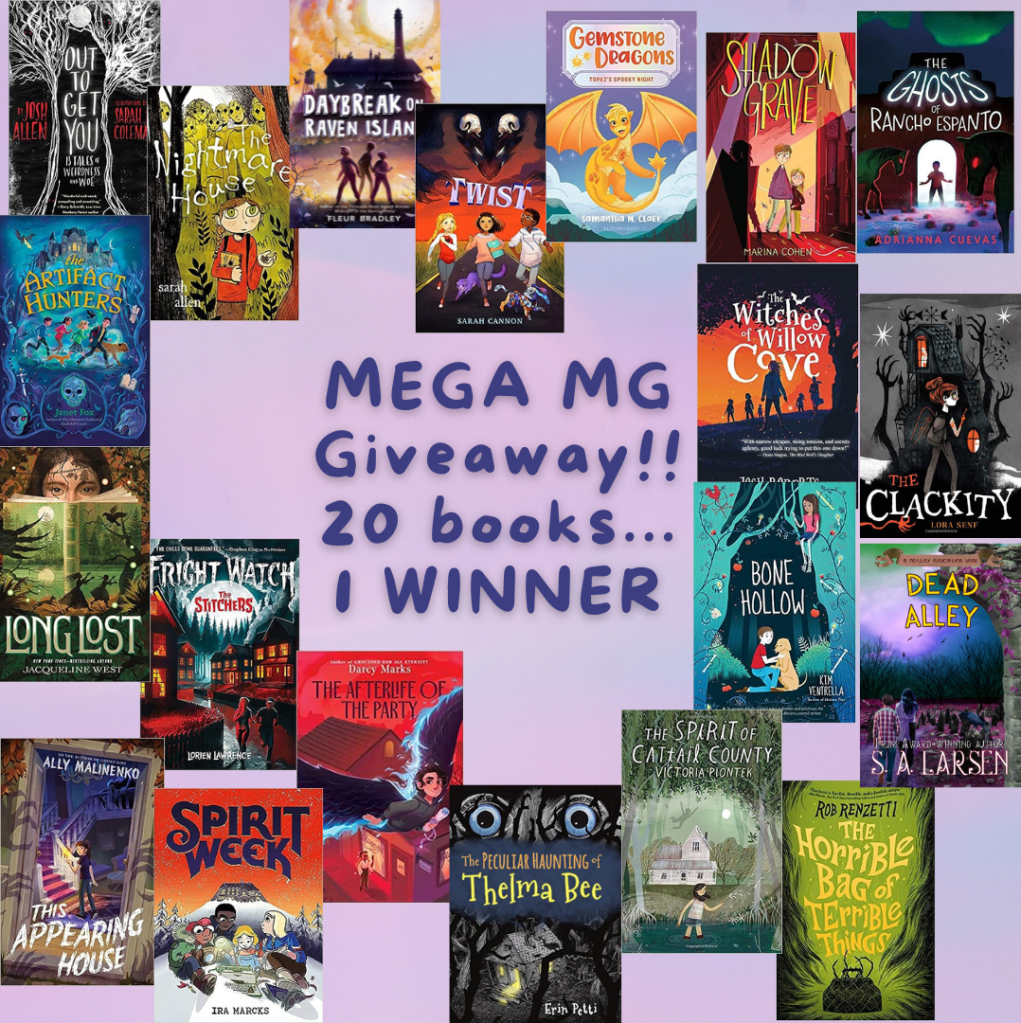
To show our appreciation a little extra at the start of this school year, we’re hosting a MEGA 20-book giveaway…! One winner will get all 20 books in this graphic below. It’s the perfect way to start a spooky middle-grade library…
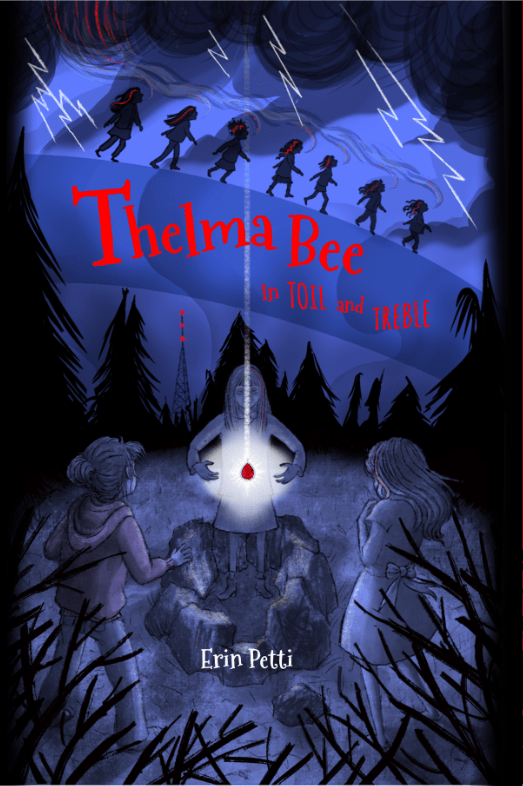
Spookies rejoice! Not only does September usher in the start of Spooky Season, a new book has arrived TODAY to get you in the spirit! I was so glad for the opportunity to ask Erin Petti about her newest book, THELMA BEE IN TOIL AND TREBLE.
TANIA: YOUR TITULAR CHARACTER THELMA BEE RETURNS WITH A NEW ADVENTURE FOLLOWING THE FIRST BOOK IN THE SERIES, THE PECULIAR HAUNTING OF THELMA BEE. WHAT CAN YOU TEASE ABOUT THIS NEW BOOK?
ERIN: TOIL AND TREBLE is filled with danger, witches, tacos, deep dark woods filled with unknown creatures, and pleather-clad Hollywood ghost hunters who might just botch the whole thing if Thlema’s crew can’t save the day.
There’s also a lot of growing up, which can sometimes be even scarier than ancient curses.
TANIA:THELMA IS A VERY SMART AND INQUISITIVE GIRL WITH A KNACK FOR SCIENCE. IS SHE BASED OFF ANYONE YOU KNOW IN REAL LIFE? WHY DO YOU THINK IT’S IMPORTANT TO HAVE A CHARACTER LIKE HER AS THE LEAD?
ERIN: While I was writing Thelma I kept asking the question: What if a kid was impervious to the hang-ups that often hold middle schoolers back? What if she didn’t care about what other people thought of her on a superficial level? What if she could shake off bullies like a puppy shakes off rainwater? She really took shape from there.
I think it’s important (for me, as a writer) to have an active protagonist who is filled with ideas and desires because it really moves the story forward. And for readers, I hope her bravery and intelligence, along with her foibles and missteps, light a little spark of “I can do anything too…” inside.
TANIA:IN THE FIRST BOOK, THE PECULIAR HAUNTING OF THELMA BEE, THELMA HAD TO DEAL WITH SUPERNATURAL EVENTS WHICH CONFLICTED WITH HER RATIONAL AND SCIENTIFIC MIND. HOW HAVE THE EVENTS OF THE FIRST BOOK CHANGED AND PREPARED HER FOR THIS NEXT ADVENTURE?
ERIN: In book two she’s got a whole new world view, and she’s starting to understand complexities in a whole new way. Things are not black and white. Sometimes the right choice isn’t the obvious choice. Now she truly knows that anything is possible, which makes things a whole lot more complicated. You know, growing up stuff 🙂
TANIA:ONE OF MY FAVORITE PARTS OF THE FIRST BOOK WAS THE LIVELY CAST OF CHARACTERS. WILL THEY ALL BE RETURNING, AND CAN WE LOOK FORWARD TO MEETING ANY NEW FACES?
ERIN: Yes! All Thelma Bee’s friends return in the second book and I’m so excited to introduce some new characters as well. There’s a pair of pleather-clad TV ghost hunters who make quite a splash in town, and a brand new friend named Bobby who is pure chaos and probably one of my favorite characters I’ve ever written!
TANIA: WITHOUT GIVING TOO MUCH AWAY, WHAT IS YOUR FAVORITE PART OF THELMA BEE IN TOIL AND TROUBLE?
ERIN: Oooh…OK, this is a tricky question because I don’t want to give spoilers! But I will say that Thelma has to team up with an old adversary while they are lost in a cursed forest…things get pretty dicey, but I really love what happens next!
TANIA: DO YOU THINK WRITING A SEQUEL IS EASIER OR MORE DIFFICULT? WERE THERE ANY CHALLENGES YOU HAD TO OVERCOME TO WRITE THIS STORY?
ERIN: I think writing the sequel was much harder, but it was also more fun! I was so worried because the characters mean so much to me and I wanted to do right by them – which made writing a little slower at first. But once I really understood the story that Thelma had to tell, the RVPS crew basically started speaking for themselves and it was an awesome ride.
TANIA: EVERY SPOOKY MIDDLE GRADE AUTHOR HAS A REASON THEY GRAVITATE TOWARDS WRITING SPOOKY STORIES. WHAT’S YOURS?
ERIN: I think that I am really inspired by the in-between spaces, be that in-between adulthood and childhood, or in-between living and dead, realistic and fantastical. The supernatural is a wonderful, huge, exhilarating question to explore and I just can’t get enough.
TANIA:HAVE YOU EVER EXPERIENCED ANYTHING SUPERNATURAL IN YOUR OWN LIFE?
ERIN: When I was in college I worked at The House of the Seven Gables in Salem, MA as a costumed tour guide. High Edwardian collars and the whole deal. My grandmother Peggy brought her psychic friend Debbie on one of the tours and afterwards Debbie told me that when we were up in the attic, and I was talking about the dollhouse there, there was a little girl ghost dressed in white watching me! But she said, no worries because it seemed like she liked having me there. My little Salem ghost girl BFF!
TANIA: WILL WE BE SEEING MORE OF THELMA BEE IN THE FUTURE? WHAT’S NEXT FOR YOU?
ERIN: I am working on the third Thelma Bee book as we speak! The intention is to make Thelma Bee a trilogy, but I always want to leave the door cracked open to more adventure. These folks feel like really good friends now, and I will have a hard time saying goodbye.
TANIA:WHERE CAN READERS BEST CONNECT WITH YOU?
ERIN: I love connecting with readers! I’m active on Instagram @erinpetti and Twitter at @empetti – also there’s an Erin Petti, Author Facebook page as well. I’ve met tons of amazing readers this year doing workshops at schools and libraries as well and all that info can be found at erinpettibooks.com/visits.
Welcome to my interview with Author Dan Poblocki and his latest release TALES TO KEEP YOU UP AT NIGHT! **Teachers, Parents: With the spooky season creeping every so slowly upon us, this is the perfect book to add to your reading list.
Amelia is cleaning out her grandmother’s attic when she stumbles across a book: Tales to Keep You Up at Night. But when she goes to the library to return it, she’s told that the book never belonged there. Curious, she starts to read the stories: tales of strange incidents in nearby towns, journal entries chronicling endless, twisting pumpkin vines, birthday parties gone awry, and cursed tarot decks. At the center of the stories lies a family of witches. And witches, she’s told, can look like anyone. As elements from the stories begin to come to life around her, and their eerie connections become clear, Amelia begins to realize that she may be in a spooky story of her own.
TALES TO KEEP YOU UP AT NIGHT is the perfect next-read for fans of Scary Stories to Tell in the Dark!. An excellent addition to Halloween round ups, middle grade readers will be glued to the pages, up way past their bedtimes, reading with flashlights, as they explore each of these interconnected stories. With frightening artwork at the start of each chapter, this book keeps readers engaged and terrified from beginning to end.
THE INTERVIEW🎙️
Hi Dan! It’s great to have you visit our spooky crypt. Let’s start with this: A description of Tales To Keep You Up At Night appears in the local newspaper. What does it say?
What do you do if you find a mysterious book in your missing grandmother’s attic? If you’re Amelia, you try to return it to the local library. But what if the librarian says the book doesn’t belong there? Amelia reads the creepy tales within – stories about bad birthday parties and scary sleepovers, about revenge gone wrong and weird rocks out in the woods, about a family of witches who may or may not have the right to be very angry – and by sunset she realizes that the stories are not just stories. Like the title of her new book suggests, Amelia won’t be getting ANY sleep tonight.
That would definitely draw in some attention.
Set the stage as the story begins and what happens when your main character Amelia sneaks into an old attic.
Amelia’s story begins when she and her family are at Grandmother’s house to finally clean it out. Grandmother has been gone for a year. Amelia’s mothers say Grandmother has passed on, but Amelia doesn’t believe it. Annoyed, Amelia sneaks up to the quiet attic and remembers a dream in which Grandmother hands her a book called Tales to Keep You Up at Night. To her surprise, the very book is lying on the dusty floor. Is this a clue about what really happened to Grandmother, or is this just another library book? Flipping through the tales, Amelia soon learns that the answer is a little bit of both, but also . . . a little bit of neither . . .
Like most of your books, Amelia’s story is grounded in spooky elements. What makes this spooky world different or unique from the other scary tales you’ve written?
Tales to Keep You Up at Night is my first foray into short stories. So that feels unique. Like many of my previous work, I was inspired by the books I read as a kid, books that kept my eyes glued to the pages, and that was my goal here, as it has been since I started writing. There are many elements in TALES that I pulled from my own previous work, and perceptive readers might catch clues about how my other books are tied together in a great big web, just like the short stories in TALES. Another unique aspect of Amelia’s story was being able to play with format; there are tales in this new book that are homages to the styles of classic American story-tellers, that are written in unusual Points Of View, and even one that is a series of journal entries. It was a fun challenge to change things up in these ways.
Sounds like a great book for all students, but especially for those reluctant readers out there.
STORY CHARM🌟
You’ve inserted other stories within Amelia’s main story. Would you share how you made it all fit together?
It was like piecing together the biggest puzzle I’ve ever worked on. Simply put, I first mapped out which tales would be in the novel. Then, I wrote them, one by one. And as I went along, I noted characters and elements from the tales that might overlap with others. Once I understood that ALL of the tales related to Amelia’s own life, I leaned hard into making those overlapping details as strong as I could, so that the entire book reads more like a novel than a collection of tales. Though, now I can see that the book is BOTH of those things, which I think is pretty cool.
And I’m sure readers will think that’s pretty cool, too!
Do you have a favorite scene in the book?
In the tale called “The Volunteers,” a series of horrifying events befalls a family after they reject a gift of pumpkins from their witchy neighbors. By the end of the story, the main character realizes he’s all alone, in the dark, and he reflects back on his life, and his family, and what got them to this place. These little moments click together in his mind as he scrambles to write them all down. It’s a whirlwind of thought and emotion and worry about the choices he must now make, and every time I reread it, I get chills. The details feel real and true, and this makes the moment even scarier.
#GULP
AUTHOR’S CORNER 🖊️
What is the hardest part about writing?
The hardest part for me is the waiting. I find that most times, I can push myself to put down words on the page easily enough (especially if I don’t think of them as overly-precious words), but then, waiting to hear back from other people about what they thought or if the manuscript will sell, and finally, everything that leads up to a book coming out into the world is so stressful. But it’s also out of my control. The best thing I can do in those circumstances is start writing something new, just for myself. That’s what I can control, and that’s what keeps me grounded. Keeps me going.
What do you believe young readers can gain from reading spooky tales?
I can talk about what I gained from reading spooky tales as a young reader: a love for turning pages to find out what will happen next; for Story with a capital S; a sense of how to solve problems that scare you; that there may be a way out of the dark if you look hard enough; that children can be (and sometimes need to be) as brave (or braver!) than any adult. And especially: If a story feels TOO spooky, you can ALWAYS put the book down and say, NOT TODAY, DAN POBLOCKI, YOU SCOUNDREL! (Trust me, I don’t mind.)
Any advice for teachers and parents out there on how to encourage middle schoolers to engage in more independent reading and writing?
Thinking back to what first got me excited and engaged: Reaching for what felt accomplishable. Sometimes those were books with lots of pictures, or comic strips, or comic books, and then, eventually graphic novels, even poetry and short story collections. I’m not saying these things are necessarily “easy” but they have an added appeal for reluctant readers that other books might not. I liked being able to finish reading something, even if it was a page or two long. So, maybe, let kids read what they want to read, don’t push them away from what you think isn’t right/ sophisticated enough for them, and then encourage them to explore what might be directly adjacent to their interests, to expand the Venn diagrams of their minds.
Inquiring minds want to know: What can your readers expect from you next?
Next up are MORE TALE TO KEEP YOU UP AT NIGHT. Specifically, another novel of interconnected scary stories that piggybacks off of Tales to Keep You Up at Night with new characters, new settings – even some familiar names and faces. You won’t need to read the first collection to enjoy this next one, but it certainly won’t hurt (at least . . . I hope it won’t. I can’t make any promises!).
JUST FOR FUN🤪
Have to ask: What scares you?
Many of my early nightmares were about giant mouths filled with sharp teeth, which is weird because now that I’m a little more grown-up, I have an irrational fear of being eaten alive . . . By fish, bears, pythons, alligators, even by hungry humans! NOPE. NO WAY. (NOT TODAY.) I still have a difficult time looking at photographs of animals (especially from the deep ocean) with wide jaws and their mouths full of little serrated blades. Yowch! Please, never show me a picture of a shark. I will fall to the floor and cover my head, and then I’ll be embarrassed and you’ll be embarrassed and no one will have a good time anymore, at all, ever.
Um, yeah . . . you probably should stay away from giant teeth. LOL
Thank you for sharing your spooky tales with our readers! All the best to your from your #SpookyMG crew!
THE AUTHOR
Dan Poblocki is the co-author with Neil Patrick Harris of the #1 New York Times bestselling series The Magic Misfits (writing under the pen-name Alec Azam). He’s also the author of The Stone Child, The Nightmarys, and the Mysterious Four series. His recent books, The Ghost of Graylock and The Haunting of Gabriel Ashe, were Junior Library Guild selections and made the American Library Association’s Best Fiction for Young Adults list in 2013 and 2014. Dan lives in Saugerties, New York, with two scaredy-cats and a growing collection of very creepy toys.
About the illustrator: Marie Bergeron was born and raised in Montreal. After studying cinematography, she attended École de Design. Her style is inspired by many things, including films and games, contrasting a more graphic approach with organic strokes. Her clients have included Marvel Studios, Paramount Pictures, Warner Bros., Fox Entertainment, and more.
*So Readers, what do you think about Dan’s new book?
This week, I sat with spooky crew member Ira Marcks to discuss his graphic novel, Shark Summer. In addition, I wanted to learn about his creative process and get the skinny on his new book, Spirit Week, available October 25, 2022. So, without further ado, let’s wade into the spine-chilling waters of graphic novels.
Lisa: What inspired you to make Shark Summer?
Ira: I’ve always wanted to make a comic about kids on a summer adventure. But I could never find a way into the story that didn’t seem like it’d been done before. Then one day I was reading a book about the making of JAWS and I thought to myself “wow, what a wild, madcap summer that must have been for the cast and crew.” It got me thinking… is there a more iconic summer adventure than the one JAWS captured on film? Suddenly, I had my inciting incident; a sleepy New England island is overrun with a Hollywood production. Now, all I had to do was decide what happens to the people who live there behind the scenes.
Lisa: What can readers expect from the story?
Ira: A fast paced, nostalgia infused, summer adventure about new friendships, filmmaking, and the creepy secret history of a New England island!
Lisa: What were some of the challenges of turning this story into a graphic novel?
Ira: The most difficult part of the process was trying to find the right balance of cartoon humor, horror movie tropes, and real world consequences. Shark Summer takes place on Martha’s Vineyard in the summer of 1974 during the filming of JAWS. While I worked hard to convey the geography and spirit of this time and place, there were also choices to be made about how to use these elements to tell an inspirational comic for kids. My editor Andrea Colvin deserves a lot of credit for helping me find the best way to tell this story.
Lisa: How long have you been interested in comics? Is this what you wanted to do when you “grew up”?
Ira: Comics are a balance of drawing and writing so while I loved to draw as a little kid, I soon realized that I couldn’t tell a good story with a comic unless I practiced my writing. Putting those two skills together inevitably led me to making comics! I’ve always been good enough at it to keep a few people interested in what I was working on, and I built my ‘career’ from there.
Lisa: What’s the best writing advice you have received?
Ira: I like the quote by fantasy novelist Terry Pratchett that goes “The first draft is just you telling yourself the story.” Which is to say, the later drafts are intended for the reader. I think it’s important to distinguish a first draft from the rest of the process. To be honest with yourself is crucial to the early stages of a project. So when you bring other cooks into the kitchen and begin to edit and clarify the story, there will always be a seed of truth left from that first draft you wrote for yourself.
Lisa: I see you have a new graphic novel coming out on October 25, 2022. Please tell us about Spirit Week.
Ira: It’s kinda like a sequel to Shark Summer. In the second book we join Shark Summer’s aspiring filmmaker Elijah Jones as he heads off to Colorado to make a documentary about a reclusive horror writer who has been living at a certain infamous hotel.
Ira Marcks is a graphic novelist based in Upstate NY. He make comics, teaches comics, and podcast about cartoons. His books have been recommended by The New York Times, BuzzFeed, and American Library Learn more: https://lnk.bio/iramarcks
One of my favorite spooky reads of the year is CECE RIOS AND THE DESERT OF SOULS by Kaela Rivera. It blends Latinx mythology and folklore with a heartwarming story about a young girl who must risk everything to save her sister from the terrifying El Sombrerón.
Living in the remote town of Tierra del Sol is dangerous, especially in the criatura months, when powerful spirits roam the desert and threaten humankind. But Cecelia Rios has always believed there was more to the criaturas, much to her family’s disapproval. After all, only brujas—humans who capture and control criaturas—consort with the spirits, and brujeria is a terrible crime. When her older sister, Juana, is kidnapped by El Sombrerón, a powerful dark criatura, Cece is determined to bring Juana back. To get into Devil’s Alley, though, she’ll have to become a bruja herself—while hiding her quest from her parents, her town, and the other brujas. Thankfully, the legendary criatura Coyote has a soft spot for humans and agrees to help her on her journey. With him at her side, Cece sets out to reunite her family—and maybe even change what it means to be a bruja along the way.
Author Kaela Rivera was kind enough to answer some of my most burning questions about her fantastic book.
TANIA: Hi Kaela! One of the things I loved most about reading CECE was recognizing some spooky and familiar characters from Latinx folklore like El Cucuy and La Llororna! Could you talk a bit about the research and inspiration that went into your rich worldbuilding of Cece’s world?
KAELA: Sure thing! For inspiration, I leaned heavily into the stories my abuelo told me about growing up in Mexico when he was a kid and preteen. For research, I used the Mexican Beastiary by David Bowles, researched heavily on the internet (which led to a lot of weird, obscure findings about geology and maps of quarries that are barely even talked about in the book), and some of my own ideas, of course, to put spins on traditional stories.
TANIA: A big theme in CECE is familia. Both the ties to the family you were born into as well as the family you create as you become more independent. In your book Cece decides to train to become a bruja so she can rescue her sister from El Sombrerón. This independence leads to some rifts between her relationship with her parents, as well as the discovery of a new family with the criaturas she befriends along the way. Were you a lot like Cece when you were her age and what does familia mean to you?
KAELA: Honestly, Cece is who I want to be when I grow up. As a kid, I definitely had big feelings like Cece and didn’t feel safe expressing them. I often doubted my value, just like she does, and felt unsafe. But Cece chooses to stay vulnerable and kind—while fighting for what’s right. She doesn’t sacrifice one for the other. That’s what I want to do, and who I feel I can be, but it’s a journey to get there I could gush about my little emotionally intelligent girl all day, haha, so I’ll wrap it up there!
Familia, to me, is the building block of life. It’s the first protective community you’re given, the first one you’re a part of, the first place where you’re meant to flourish and grow and develop. I believe whole-heartedly in that ideal. And that’s also why it’s so painful and frightening when a familia doesn’t live up to that ideal. People’s choices can turn the most precious, sacred, safe place in life into a frightening, unsafe place—which is so opposite to its proper nature.
In CECE, I wanted to explore and address how that can feel for children—getting a mixture of love and protection, as well as apathy or even hostility. Every familia, like every person, comes with good and bad. It’s about what you choose to grow and foster, and as Cece chooses her friends and to embrace her strengths and good qualities, so her familia will have to learn to choose where they stand as well. I’m excited about exploring that more in the sequel. More on that later!
TANIA:Your book is one of the spookiest books I’ve read this year, especially when Cece ventures into the world of brujas and criaturas! Why do you think it’s important that kids read about scary things?
KAELA: Haha thank you! I find scary kids’ books important because, honestly, kids go through scary things. I think scary stories can help address the fear kids carry around and don’t know what to do with. It shows them that everyone faces horrors. And perhaps most importantly to me, it shows them that, when they are afraid and surrounded by frightening things, action can be taken, dragons can be slayed, and hope still lives. Because of the sheer power of contrast, I think scary stories actually help emphasize joy, hope, courage, and goodness. And that’s an empowering thing, at the end of the day.
TANIA:In addition to folkloric scary things like brujas and criaturas, you also touch on some real-life fears surrounding alcoholism and abduction/non-consent. I thought you handled these very skillfully for a middle-grade audience. Can you speak a bit more on your experiences and challenges in writing for young readers in general? What led you to writing middle-grade as opposed to YA or adult?
KAELA: This is kind of a funny story, despite the heaviness of the topic. So originally, CECE was a YA novel! I hesitated when my publisher said they wanted to buy it—but as an MG book. At its core, CECE’s themes very much center on abuse as well as kindness (to speak to that necessity of contrast I mentioned earlier), and I didn’t want to lose that. But after a discussion with my editor, they were supportive of me retaining those themes while stepping back some of the more—ahem, gory—details. I’d always wanted to write MG, though, so I just got to do it sooner than I’d expected!
And honestly, I’m glad. I think that CECE addresses a lot of things I needed to hear when I was that age—about how life is frightening and painful, just as it is beautiful and hopeful. That’s probably my favorite thing about writing middle-grade generally, actually. For some reason, there’s more room to let those both live together in the same space—heartbreak and healing, joy and pain, magic and fear—in MG than in older audience spaces, or that’s been my experience. And I love the wholeness of that.
TANIA: If you could pick one criatura to be your own personal companion, who would you pick and why?
KAELA: I wish I could pick any of CECE’s main crew—Coyote, Little Lion, Kit Fox, and Ocelot—because I love them all in their many different ways! But if I have to pick, I’d probably want Coyote to be my companion. Is it because I have a big soft spot for him because it took so long to nail down his character, or because he’s powerful, or because he’s willing to fight his inner demons to have your back? Probably all of that and more.
TANIA: I’m so excited to hear there will be a sequel to CECE. What can you tell us about it now?
KAELA: Oooooh, me too! Thank you! Well, first off, it’ll be out Fall 2022. So soon! And all of this is technically subject to change, but just to whet your appetite a bit . . . . In CECE 2 (official title pending), I’ll be taking readers into Devil’s Alley for a heist, revealing more about Juana’s time there, and delving into the long-forgotten secrets of the curanderas with Cece! Plus, you may even get to meet Tía Catrina in person.
You might be able to tell that I’m just, you know, a tad excited for readers to see how much worldbuilding and adventure is coming next! Ahem. Just a little.
TANIA:Anything else you’d like to share with our spooky readers? Where can they connect with you online?
KAELA: Well, CECE will also have a third book (Fall 2023)! I’ve emphasized the sequel mainly, but I’m also excited for the third one to wrap up this main adventure in Cece’s world.
Besides that, you can get more updates on the sequel and third book if you subscribe to my newsletter (sign up on the home page of my website, kaelarivera.com)! I also run giveaways and offer free perks through my newsletter, so it’s not a bad place to hang out. Otherwise, you can find me on Instagram or Twitter!
TANIA: Thank you so much, Kaela! I hope all our Spooky Middle Grade readers check out your wonderful series!
Obviously, all of us at Spooky MG love creepy stories. And we love the ones written for young readers with a special fierceness.
But I wanted to know about the books that genuinely terrify us—or that terrified us when we were young and impressionable, and that may have given us writing (or nightmare) material for years to come.
I’ll knew what my own answer would be:
Like pretty much everyone else in my Elder Millennial/Oregon Trail generation, my third grade mind was blown by Alvin Schwartz’s SCARY STORIES TO TELL IN THE DARK. I was terrified by those collections, and I adored them—probably for the same reasons. My friends and I would read them aloud at sleepovers, poring over Stephen Gammell’s illustrations, scaring ourselves catatonic. On my own, I would turn back to certain stories or images again and again, seeing if they were as frightening as I remembered. They always were.
If I had to pick a few stories that really dug their hooks into me, I might say “The Bride” (Gah, “The Bride”!!), “The Wendigo” (Its frozen, empty eeriness hit this upper Midwesterner hard), or “Me Tie Doughty Walker,” where the protagonist’s dog begins speaking in strange nonsense words, and is answered by a voice that comes from somewhere in the darkness outside his little cottage… The thought of that one still makes me shudder.
I know some grownups who say they were scarred by these books, and who wish they hadn’t read them when they were small. I suppose I was scarred by them too. But I’m weirdly grateful for it. Without them, I’m not sure what dark and terrible things would be missing from my imagination. And now I get to play with those dark and terrible things when I sit down to write creepy stories of my own.
So, what books for young readers scared—or scarred—my fellow Spookies?
Sarah Cannon (ODDITY, TWIST)
Before SCARY STORIES TO TELL IN THE DARK or GOOSEBUMPS, there was an author named Daniel Cohen who used to put out scary story collections, and GHOSTLY ANIMALS in particular scared the pants off me. There was a ghost that was a skunk with a human face, which was so completely out of left field that it blindsided me…it hadn’t even occurred to me to be scared of such a thing before! Also, Phillis Reynolds Naylor’s Witch series (WITCH WATER, WITCH’S SISTER, etc.) scared me half to death, mostly because the villain was a scary old lady neighbor. The adults could *see* her, they just thought the kids were being fanciful. But they weren’t, and the scary incidents that illustrated this were extremely real to me.
Samantha M. Clark (THE BOY, THE BOAT, AND THE BEAST)
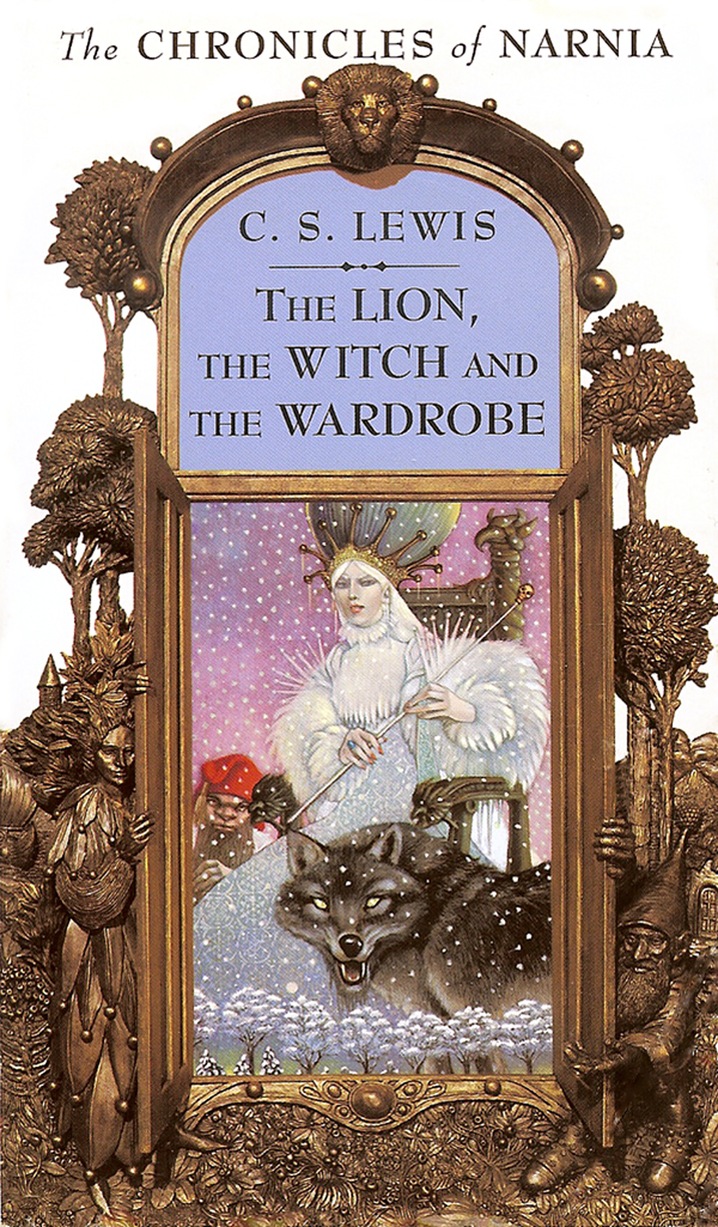
The book that terrified me most as a kid was actually THE LION, THE WITCH, AND THE WARDROBE. I was terrified that the Witch was going to turn me to stone and horrified about all the animals that had been turned to stone. The idea still haunts me to this day. I’ve never been able to look at realistic statues without wondering if a person is trapped inside…
Tania del Rio (WARREN THE 13TH series)
So a book that scared me as a kid was The BFG by Roald Dahl, which is funny because it’s not even a scary book, at least not compared to, say, THE WITCHES. And even though BFG literally stands for big FRIENDLY giant, I still used to lay awake at night terrified that an enormous eye would peer into my bedroom window or that a massive hand would reach through and whisk me away. Even the idea of a giant man blowing pleasant dreams through a long horn creeped me out. It didn’t help that I had tall poplar trees in my backyard and at night, their silhouettes looked like giants wearing long cloaks! 😬
Janet Fox (THE ARTIFACT HUNTERS, THE CHARMED CHILDREN OF ROOKSKILL CASTLE)
I hate to say it, but almost nothing I read as a kid scared me. Even the grownup books. Even DRACULA. But put me in front of a mildly scary movie – even today – and I will have nightmares for weeks, months, years. I don’t know if that helps, but it’s the truth. And maybe why I can write scary books today.
Lorien Lawrence (THE STITCHERS)
Lorien Lawrence (THE STITCHERS)
The first scary story that comes to mind is “The Green Ribbon” by Alvin Schwartz from his IN A DARK, DARK ROOM collection. I remember a librarian reading this to my class as kindergarteners – which seems bizarre now because it’s SUCH a scary story, even by today’s standards! We were all sitting on the carpet, huddled together, just listening. I could not stop thinking about it for days afterwards. It definitely gave me nightmares, but it also left me wanting more. I’m sure that read-aloud jump started my love of all things spooky!
Cynthia Reeg (FROM THE GRAVE, INTO THE SHADOWLANDS)
Cynthia Reeg (FROM THE GRAVE, INTO THE SHADOWLANDS)
I have to admit that I was a Nancy Drew addict—these creepy, spooky, mysterious books always appealed to me. Plus, I enjoyed trying to solve the puzzle, and they were easily accessible at the small local libraries where I lived when I was an MG reader. But I also remember how creepy and chilling the GREEN KNOWE books by Lucy M. Boston were. Loved them! And often I would ready spooky Clyde Robert Bulla books like THE GHOST OF WINDY HILL. First and foremost in monstrous books for me were fairy tales and folklore stories, which were again easily accessible and often taught at school.
Kim Ventrella (THE SECRET LIFE OF SAM, THE SKELETON TREE, etc.)
As a kid, I always found myself yearning for stories that both transported me and reflected my experiences, and those experiences weren’t always roses and rainbows. Books that tackled tough topics or delved into the scary or macabre, rather than frightening me, made me feel accepted and understood. They validated my experience and gave me courage. I especially loved SCARY STORIES TO TELL IN THE DARK, mostly thanks to the disturbing, ethereal imagery. Unlike other scary books for kids, that collection didn’t sugar-coat things. I remember being in fifth grade and getting super upset when I read a book (that shall remain unnamed :P) where the ‘monster’ turned out to be some big misunderstanding, basically a Scooby Doo ending. I wanted the monsters to be real, so that I could see kids overcoming true evil. I longed for that catharsis. The funny thing is that now, as an adult, my books with ’spooky’ themes are all about finding light, whimsy and wonder in the midst of darkness. The spooky elements are there partly to lessen the blow of the real-life tough topics I address, like loss and grief. But I think the two needs are connected, i.e. the need I had as a young reader to see kids overcoming true evil, and the recognition that, as an adult, real life is much more terrifying than any kind of fantasy monster.
Jacqueline West is the author of THE BOOKS OF ELSEWHERE, THE COLLECTORS, and DIGGING UP DANGER, as well as the YA horror novel LAST THINGS. Visit her at http://www.jacquelinewest.com, or find her at jacqueline.west.writes (Instagram) or @JacquelineMWest (Twitter).
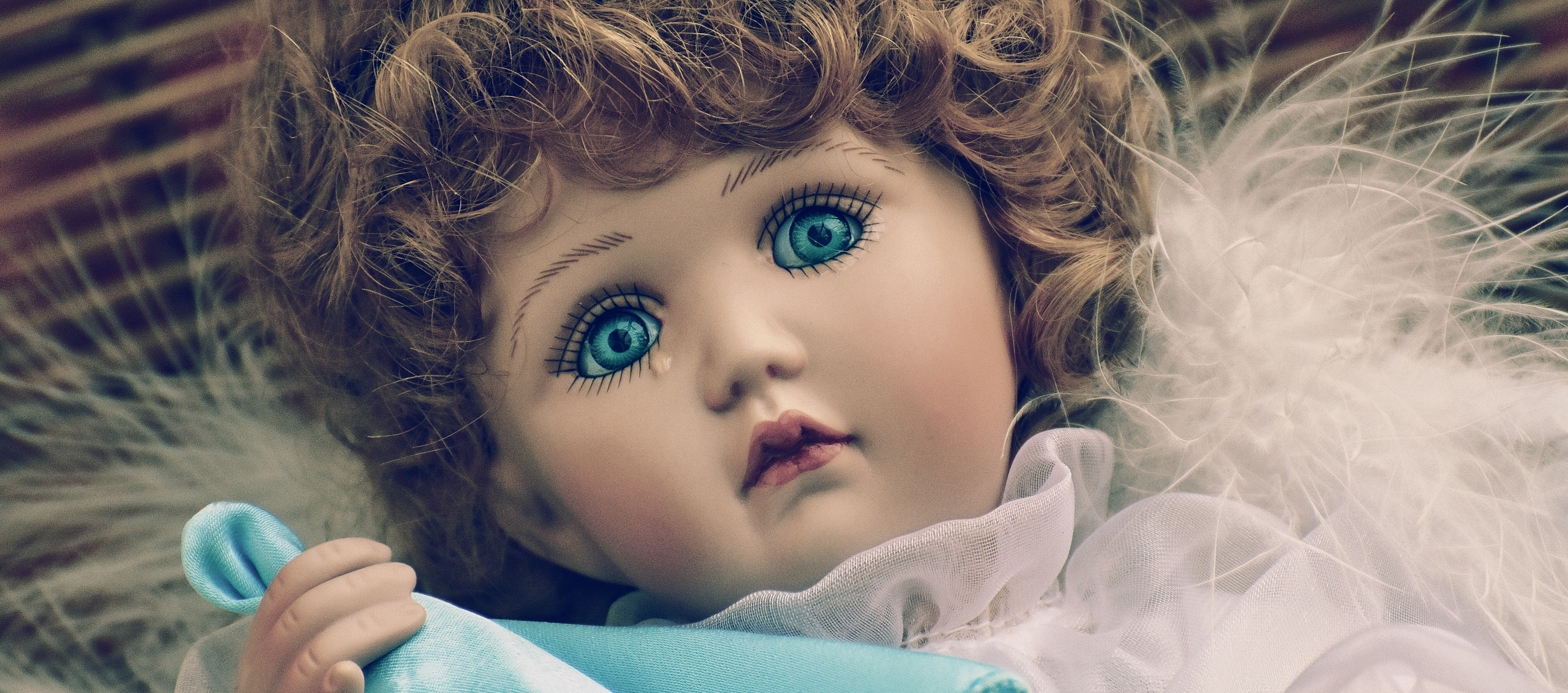
Our stuffed animals stare at us with their button eyes while we sleep, and we can’t be completely sure they stay where we put them. Dolls? Equally freaky, if not more so. Puppets? Stop. (There is a reason the villains in my first book were evil puppets.)
They like to watch you while you sleep.
So it seemed only fair that when the kids in Twist, my book that comes out this month, had a bunch of monsters to defeat, they’d use toys to do it. It’s about time toys pulled their weight.It was a lot of fun, actually. Toys lend themselves well to weaponization. What parent hasn’t stepped on a Lego during a midnight bathroom trip and been convinced they were going to lose their foot? And there’s no alarm system as freaky as a Speak and Spell that accuses you suddenly out of the darkness. We all understand why Kevin McCallister used paint cans as booby traps in Home Alone…they’re heavy. But toys…toys are diabolical. They bring a level of psychological warfare to the table that’s hard to beat.
I mention this because while I love inventing creatures both friendly and foul, my favorite trick is presenting the commonplace, slightly askew. Familiar objects can send chills down your reader’s spine in the right context. That’s why the little wind-up primate with his clashing cymbals is so horrifying in Stephen King’s short story, “The Monkey.” It’s why a trail of Reese’s Pieces can lead to almost-unbearable levels of tension. And it’s why the juxtaposition of a Dungeons and Dragons miniature with a real-life danger doesn’t minimize the threat for the viewer, but gives them a focal point that makes them even more nervous.
She’s sad because you won’t share…your soul.
Familiar objects like toys are wonderful elements in a scary story, specifically because they’re so benign…until they aren’t. Once you’ve noticed how not-quite-right they are, you can’t unsee it. I know, this is a terrible thing I’m doing to you right now, but I am, after all, a spooky author. It’s literally my job. Of course, turnabout is fair play. So…
The next time you pick up your pencil (or ask your students to pick up theirs) why not pose the challenge of making a beloved childhood toy scary? If that doesn’t float your boat, if you really truly won’t be happy unless you can create a monstrous threat, see if your characters can solve that larger-than-life problem with household objects so basic, they’d normally overlook them completely. Especially if they’re toys! I guarantee good, spooky fun…besides, you’re already halfway there! Admit it: the Elf on a Shelf freaks you out.
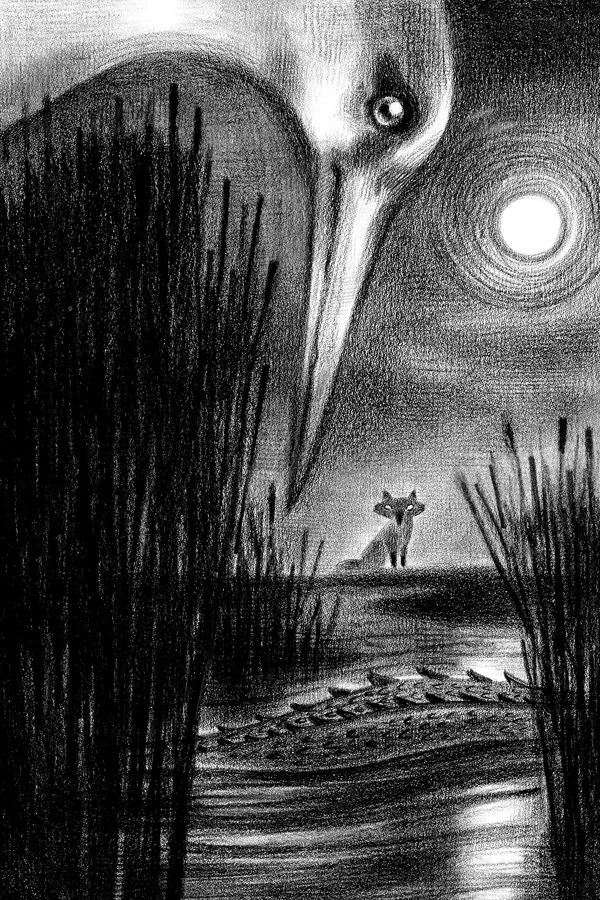
Happy November, spookies! This is the best time of year for curling up with a spooky read. One of my absolute favorite books this Halloween season was SCARY STORIES FOR YOUNG FOXES by Christian McKay Heidicker. Not only does it feature my favorite animal, but it’s filled with a bunch of haunting and beautiful illustrations by Junyi Wu.
Here’s a little description to entice you:
The haunted season has arrived in the Antler Wood. No fox kit is safe.
When Mia and Uly are separated from their litters, they discover a dangerous world full of monsters. In order to find a den to call home, they must venture through field and forest, facing unspeakable things that dwell in the darkness: a zombie who hungers for their flesh, a witch who tries to steal their skins, a ghost who hunts them through the snow . . . and other things too scary to mention.
Christian was kind enough to take time from his busy touring schedule to talk to me about his terrifying book!
TANIA: SCARY STORIES FOR YOUNG FOXES is the most original book I’ve read in some time! What was your inspiration for this story, and why did you choose foxes, in particular, to tell your tale?
CHRISTIAN: Well, thank you!
I was inspired by the Berenstain Bears—specifically The Spooky Old Tree and Bears in the Night. When I originally wrote these stories, the foxes wore little vests and deerskin boots and they walked down to the market to buy a goose from the badger grocer. But when my agent politely informed me that that anthropomorphism doesn’t sell, I started making the stories as scientifically accurate as I could.
As far as why they’re foxes . . . I have no idea! They just came to me, as lovely as flames in my imagination. Whenever students ask me Why Foxes during school visits, I tell them that I woke one night with teeth piercing my throat and found a fox pinning me to the bed with her jaws. Another fox stepped into the moonlight on my pillow and told me I needed to write this book or else . . .
TANIA: The foxes in your book face danger that is real and yet appears supernatural through the lens of the protagonists. It reminded me of the power of children’s imaginations when interpreting things they can’t quite grasp. Was it challenging to write through the eyes of a young fox or to balance the realistic with the anthropomorphic?
CHRISTIAN: It was challenging! The parallels between classic horror tales and the lives of foxes came easily, but selling that through the perspective of the kits was tough (especially the Golgathursh). Anytime I grew overwhelmed, I’d just take a step back and reestablish the boundary of the stories: Does it parallel a classic horror tale?/Could it happen to foxes? From there, I just had to figure out which details to include.
TANIA: I was admittedly surprised by how dark this book was at times, especially regarding death. And yet, it also felt appropriate, given that the natural world can be an unforgiving place. The foxes’ behavior and environment felt very true-to-life and there was even a surprising appearance by Beatrix Potter which has made me see her in a whole new light! Did you do a lot of research into her character or animal behavior for this book?
CHRISTIAN: I was surprised by the darkness too! And yes, I did a ton of research.
The more I learned about foxes and classic horror tropes, the more the events started to choose themselves. I worried about how scary it was getting at first, but then I watched Planet Earth with my soon-to-be-stepdaughters and noticed that they didn’t cry when innocent animals were eaten. They were upset, but they seemed to understand that this was a part of the natural process. From that point forward, I started to think of the book as National Geographic Horror. So long as I added a bit of coziness for every flash of teeth, I knew the stories would remain palatable.
The fact that Beatrix Potter taxidermied many of her subjects before she sketched them is true, by the way. I’m sorry I have to be the one to break it to everyone. (Okay, not that sorry 🙂 )
TANIA: In the book there is an explanation for why scary stories are important for young foxes. Why do you think scary stories are so important for young readers?
CHRISTIAN: I could try to do this justice. But I’ll just quote Neil Gaiman instead:
“. . . if you are keeping people, young people, safe from the darkness . . . you are denying them tools or weapons that they might have needed and could have had.”
I think that about sums up my feelings.
TANIA: What are some of your favorite spine-tingling reads?
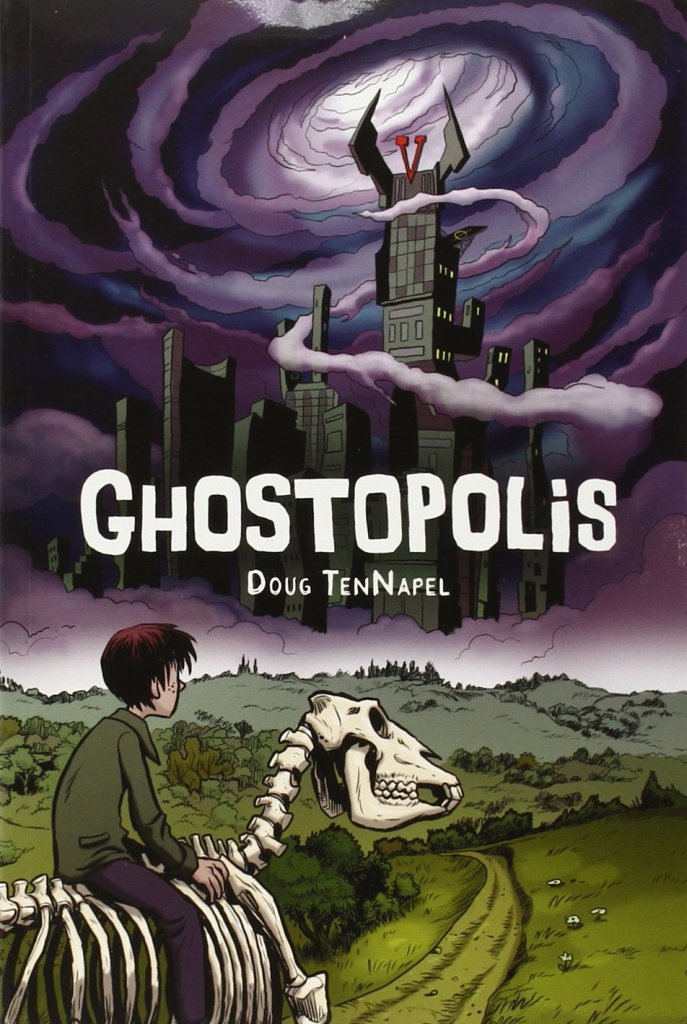
CHRISTIAN: Speaking of Neil Gaiman, I *adore* The Graveyard Book and Coraline. I also really love the Turn of the Screw, the Berenstain Bears (as mentioned), and Ghostopolis. I don’t see that last one getting enough cred.
Obviously, I love a lot of horror novels by adults too, but I try not to recommend those to young readers.
TANIA: What are you working on next? Anything else you’d like to share with our Spooky MG readers?
CHRISTIAN: You might be happy to hear that I’m working on a sequel to Foxes. It takes place many decades later in the city that has replaced the Antler Wood. It will involve Mia’s and Uly’s and Mr. Scratch’s descendants, and it will retell modern horror tales instead of classic ones. If rabies was a zombie story in the old one, the fox fur farm in the new one is dystopian horror.
I’m not sure if you’ve seen the Foxes book trailer, but we put a lot of work into it:
Christian McKay Heidicker reads and writes and drinks tea. Between his demon-hunting cat and his fiddling, red-headed fiancée, he feels completely protected from evil spirits. Christian is the author of Scary Stories for Young Foxes, Cure for the Common Universe and Attack of the 50 Foot Wallflower. He lives in Salt Lake City, Utah. cmheidicker.com






 Sarah Cannon (ODDITY, TWIST)
 Samantha M. Clark (THE BOY, THE BOAT, AND THE BEAST)
 Tania del Rio (WARREN THE 13TH series)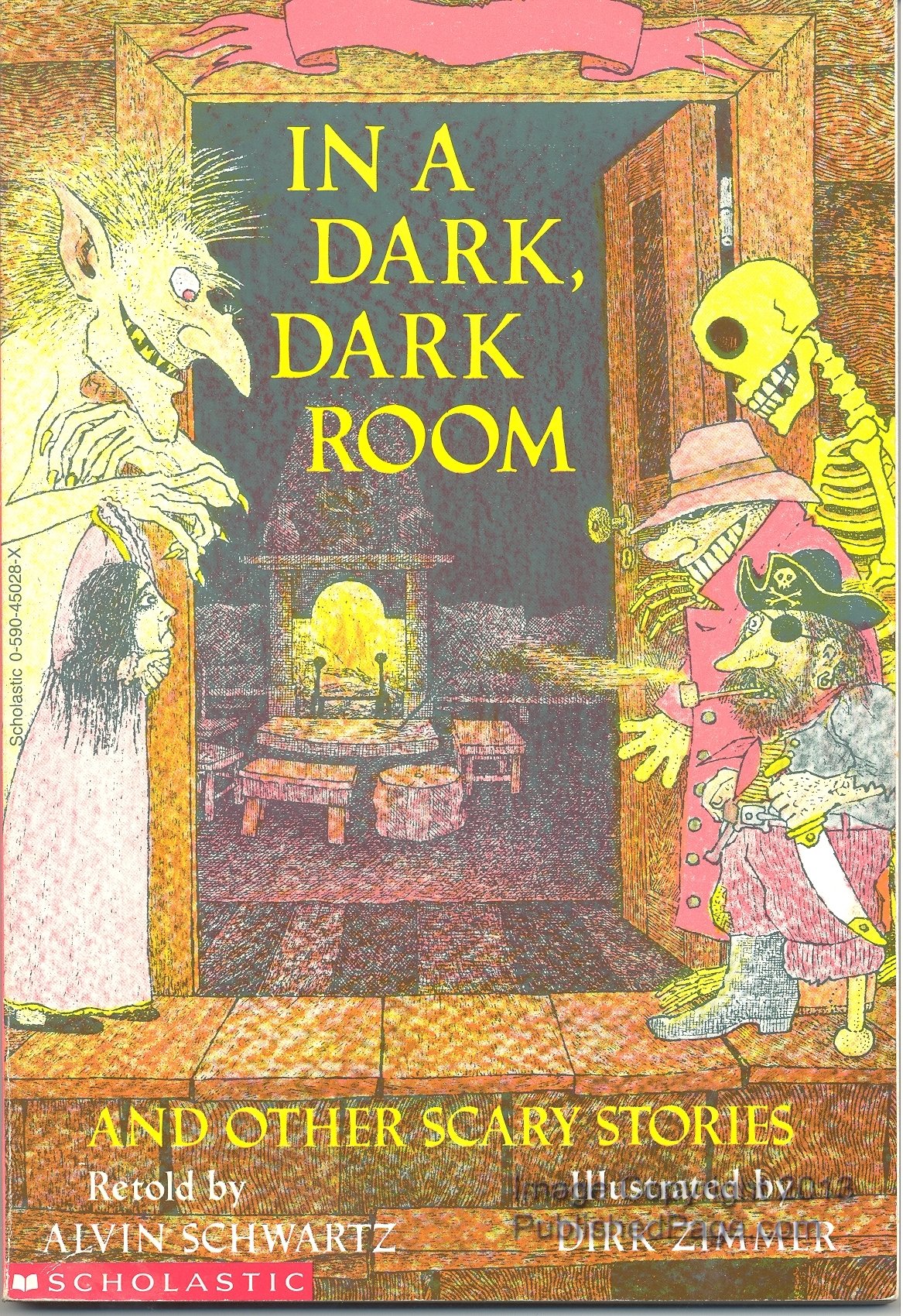





 Spooky Middle Grade