Welcome to another installment of our author interview series, “5 Questions with…” This time around, we’re talking with Spooky Middle Grade’s Mary Averling, author of THE CURSE OF EELGRASS BOG (January 2024) and the brand-new spooky story, THE GHOSTS OF BITTERFLY BAY, which just came out this week!
1. Mary, tell us about THE GHOSTS OF BITTERFLY BAY. How did you come up with the idea? What inspired it?
BITTERFLY BAY is a fantastical middle grade horror about a group of kid ghosts who haunt a lakeside cabin. They have (perhaps too much) fun freaking out vacationers . . . until something starts haunting them right back. It’s about bravery, storytelling, and the importance of facing the truth, and it’s got MANY weird creatures!
It was inspired by an old cottage my family used to stay at when I was little. I have so many fond memories of that place, but it was built right into a sheer mountainside and surrounded by dark, dense woods. (It also smelled a bit strange and had several creepy carved birds inside). BITTERFLY BAY came from those summertime memories of somewhere strange, comforting, and also super eerie.
2. What books did you like to read when you were a kid? Did those books influence your writing?
I was actually more of a fantasy than a horror reader! I loved Prophecy of the Stones by Flavia Bujour, The Two Princesses of Bamarre by Gail Carson Levine, The Land of Elyon by Patrick Carmen . . . so many! Even now, I still write my books with a strong fantastical element. I like blurring the line between horror and fantasy.
3. What are you working on now?
I’m revising another middle grade horror with my editor (shhhh, it’s a secret). I can’t say much yet, but it’s about anger and monsters and belonging and, y’know, fire powers. I’m excited to share more soon!
4. What was the most fun thing about writing THE GHOSTS OF BITTERFLY BAY?
I loved thinking up shenanigans for the ghosts’ haunting games! If I was a 12-year-old ghost trying to scare people, what would I do? It was fun to imagine haunting as a game rather than something terrifying . . . but it was also fun writing Longfingers and a more sinister kind of haunting, too.
5. What’s your favorite Halloween costume you’ve ever worn?
When I was five, I dressed up as Barbie Girl. (My title). Pink shiny wig, pink shiny dress, rhinestone wand, plastic high heels, and probably some fairy wings to boot. Not spooky, not scary, but I thought I looked SO cool. I always like sharing pictures of this one, because who’d have thought that twenty years later, this little Barbie Girl would get to publish ghost stories? Why not both?!
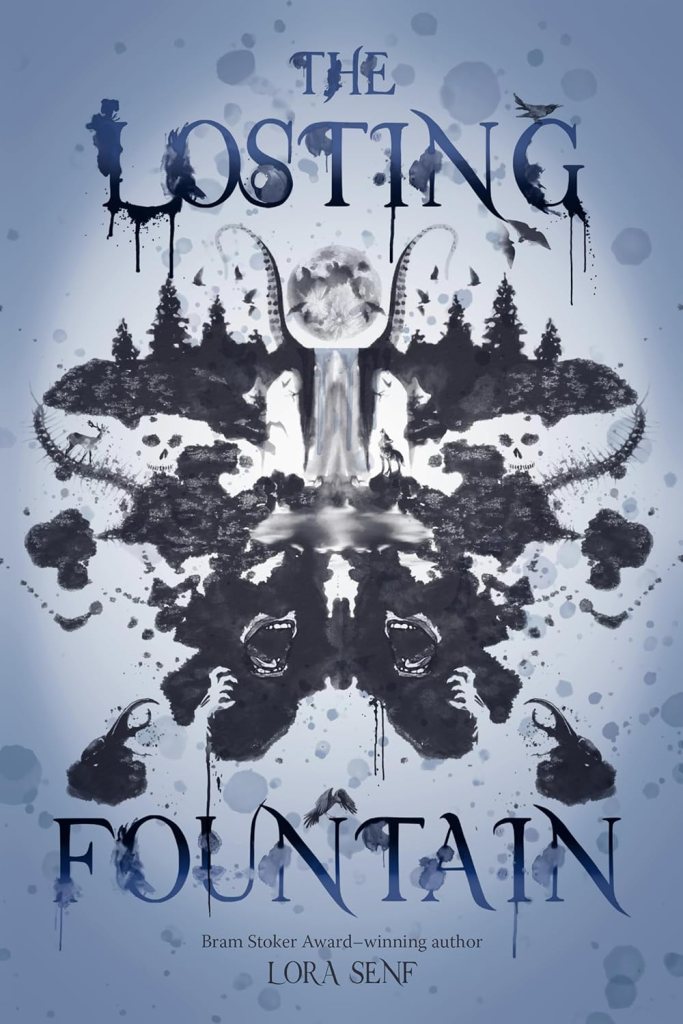
We’re back with another author interview in our series, “5 Questions with…” This month we’re talking with Bram Stoker Award-winning author Lora Senf, whose brand-new novel THE LOSTING FOUNTAIN came out on New Year’s Eve (December 31, 2024).
1) Tell me about The Losting Fountain. What’s the premise and what inspired you to write it.
The Losting Fountain is a dark fantasy story about what it means to be lost, to be found, and to discover our place in the world. Ember, Miles, and Sam—all from different times and places—have been called home. Only home is a place none of them have ever been before. They find themselves on an impossible island where lost things go that want to be found.
As their timelines converge, the choices they make will not only determine their own futures but will also have bigger consequences—they will either restore a cosmic balance or destroy the dams that separate two worlds, ending them both. Ember was called because she belonged, Miles because his mother belonged, and Sam . . . well, Sam arranged his own invitation.
The seeds for this book were planted more than two decades ago when a young child mispronounced lost and found. He called it losting fountain. My brain immediately grabbed on to the idea of such a place—What would be the purpose of a place like that? What would happen there? Who might benefit from it and who might…not? It took me many, many years to work up the courage to try to write a book and The Losting Fountain was my first completed manuscript although it is my fourth published novel.
2) You’ve described The Losting Fountain as “lower YA.” What does that mean to you, and what should readers expect from a book in that category?
If I’m being really honest, I have a hard time with the age classification for a lot of books. Sometimes a story is just a story and can be for anyone—side note, this is why I love middle grade books so much. They are the one category that can be for just about any reader.
In the case of The Losting Fountain, lower YA is as good a category as any. There’s more blood on the page and light swearing than I would put in my straight-up middle grade books but I think it could serve as a really nice stepping stone for young readers who are ready to try a book outside middle grade.
3) What is your writing process? Are you a pantser or a plotter or somewhere in between?
Oh, how I wish I had a process! It seems to change with every book. I suppose a few things are consistent across my books. While I don’t outline, I do have to mull a story over—for weeks or sometimes months—before I start committing words to page. I usually keep about a page of notes that would make sense to only me. That page has ideas or scenes that are vital to the story I’m trying to tell. The document serves as a sort of touchstone for me as I draft the manuscript.
As for the actual act of drafting, I write when and where I can. I have a family and a full-time job so if I want to get anything done, I have to be flexible. There are lots of very early morning sessions when I’m writing a manuscript. Sometimes I write during lunch breaks. Sometimes I write in the family room while my kids watch TV. Whatever it takes to get it done.
4) The Losting Fountain is your fourth published novel, all of which range from spooky to scary. Why are you drawn to horror stories? Do you have your eye on other genres in the future?
I discovered horror very early and never looked back. I jumped from John Bellairs straight to Stephen King and while I was probably (definitely) too young for King’s books, I was hooked on scary stories. As a kid with a lot of anxiety, those scary stories gave me a chance to practice being brave. And, honestly, I just love the feeling of being terrified and safe at the same time.
I won’t say never, but I have a hard time seeing myself writing something that doesn’t have a ghost or a monster (supernatural or human). I keep a list of all the books I want to write and every one of those is on the spooky-to-scary continuum. I may surprise myself someday and take a different path, but I sort of doubt it.
5) What are you working on now?
Right now, I’m working on the fifth Blight Harbor book—this one is a prequel set in the 1990’s and Blight Harbor readers will recognize the cast. The tweens and teens in this book are adults in the Evie Von Rathe books.
I’m also working on an unannounced YA horror that I am very excited about. I’ll share more about it when I can! Oh, and I’m also in the mulling-over stage of an adult horror novel with some pitch-black comedy. I think that will be my next project when these are done.
All that said, I have so much love for middle grade. I have (what I think is) a really good idea for a new series. Time will tell on that one!
We’ve just completed all 19 days of this year’s 90-Second Scares, a new series featuring some of your favorite children’s horror authors! If you missed some of the videos when they debuted, don’t worry because there’s still time to catch up and enter to win this huge stack of books! Here’s everything you need to know.
1. Watch all 19 videos 2. Collect all 19 creepy code words (one from each video) 3. Submit all creepy code words by 11:59 P.M. PT on Sunday, November 10, 2024.
You can watch all of the videos on our YouTube page or just keep scrolling to see them all here in one place.
Day 1: Deke Moulton Reads from Don’t Want to Be Your Monster
Day 2: Josh Roberts Reads from The Curse of Willow Cove
Day 3: Ally Russell Reads from It Came from the Trees
Day 4: D.W. Gillespie Reads from Give Me Something Good to Eat
Day 5: Marina Cohen Reads from The Doll’s Eye
Day 6: Adrianna Cuevas Reads from The No-Brainer’s Guide to Decomposition
Day 7: Rob Renzetti Reads from The Horrible Bag of Terrible Things
Day 8: Sarah Allen Reads from Monster Tree
Day 9: Darcy Marks Reads from The Afterlife of the Party
Day 10: Mary Averling Reads from The Curse of Eelgrass Bog
Day 11: Josh Allen Reads from Once They See You
Day 12: Samantha M. Clark Reads from Topaz’s Spooky Night
Day 13: Adrianna Cuevas Reads from The Ghosts of Rancho Espanto
Day 14: Janet Fox Reads from The Mystery of Mystic Mountain
Day 15: Rob Renzetti Reads from The Twisted Tower of Endless Torment
Day 16: Lorien Lawrence Reads from The Many Hauntings of the Manning Family
Day 17: Sarah Allen Reads from The Nightmare House
Day 18: Mary Averling Reads from The Ghosts of Bitterfly Bay
Day 19: Darcy Marks Reads from Grounded for All Eternity
Did you make it all the way to the end? Congratulations. Submit all the creepy code words by 11:59 P.M. PT on Sunday, November 3, 2024, for your chance to win!
Set in a small New England town with a secret history dating back to the Salem Witch Trials, The Witches of Willow Cove is an upper-middle grade series full of magic, mystery, and adventure perfect for readers ages 10 and up. To mark today’s publication of the second book in the series, we’re sitting down with author Josh Roberts for another installment of our Spooky Middle Grade interview series, “5 Questions with …”
1. Tell us about The Curse of Willow Cove and its predecessor, The Witches of Willow Cove.
The first book, called The Witches of Willow Cove, tells the story of a 13-year-old girl named Abby Shepherd, who learns she’s a witch just as a mysterious stranger arrives in town and offers to teach her everything there is to know about witchcraft. The only problem? This stranger might also be responsible for the disappearance of someone close to Abby years earlier . . . and she might have something equally wicked planned this time around.
In The Curse of Willow Cove, Abby has a year of witchcraft under her belt and things are finally starting to go her way—until some of her classmates start vanishing in the night, only to return as something terrifyingly different than before. With the clock ticking and the danger getting closer and closer to Abby’s doorstep, she and her best friend Robby O’Reilly must both decide what they’re willing to risk to save everyone they love . . . before an ancient curse from Willow Cove’s past sinks its teeth into them all.
School Library Journal says that The Witches of Willow Cove series “may be written for middle grade, but the exciting narrative could appeal to young adults,” and that’s exactly what I was going for—a sort of PG-13 story that can genuinely be enjoyed by readers of all ages.
2. What inspired this new book? How did you come up with the idea?
As a lifelong New Englander, I’ve always been interested in the region’s history and folklore, and in particular a mysterious episode from the past called the Great New England Vampire Panic. Back in the late 19th century, farmers and townspeople all across New England became convinced that their dead relatives were rising from their graves as vampires to suck the life from their living relatives. The Curse of Willow Cove began with the question, “What if they were actually right?”
3. Did you love spooky stories as a kid?
My dad was a funeral director and we lived in a spooky old Victorian funeral home for my entire childhood, so in many ways my life was a spooky story. In fact, my dad was the fifth generation in our family to work as a mortician, dating all the way back to the Civil War. I don’t recall reading a lot of scary stories as a kid, but I have always loved inventing them.
The Witches of Willow Cove series borrows heavily from my childhood and teenage years growing up in a New England town just north of Salem, Massachusetts. I became fascinated by the fact that not only were there accused witches all across the state—including one in my hometown—but also that the witch trials did not actually occur in modern day Salem.
That was the kernel of the idea that kicked off the whole series: What if the town you were living in had a secret witch history you didn’t even know about . . . and what if something about your own family history tied you directly to that distant past?
4. What is your writing process?
It changes and evolves with every book. Earlier in my writing career, I was a meticulous outliner. I had to have every scene and chapter mapped out and working perfectly before I could even begin to put words on the page. But what I found is that it made the writing process less interesting for me once I sat down to actually craft the story, because it didn’t leave a lot of room for surprises.
With the first book in The Witches of Willow Cove series, I went entirely the other way—I just started writing without any idea of where it would go. That proved to be a little too exciting because it led to a few dead ends that I struggled to resolve in my early drafts.
Where I’ve landed now is a sort of hybrid writing process where I put together a list of ideas, scenes, themes, characters, and settings that I find interesting, and then I start to write with some checkpoints in mind. I have a vague sense of where I’m going and how I want to get there, but there’s still plenty of room for discovery and surprises along the way.
In every scene, I’m asking myself, “What’s the most exciting thing that could happen here?” Sometimes it’s an idea I’ve already settled on. Sometimes it takes the story in a whole new direction. I love giving myself permission to explore those ideas and see where I end up.
5. What’s next for The Witches of Willow Cove?
As with The Curse of Willow Cove, the next book in the series will jump ahead another year—putting the main cast of characters in high school for the first time. So, a new school, new friends, new rivals . . . and lots of new opportunities for storytelling. It’s tentatively titled The Haunting of Willow Cove and I can’t wait to share it with readers, just as soon as I finish writing it!
Praise for The Witches of Willow Cove series
“Roberts is a masterful storyteller. I loved it!” —Lora Senf, Bram Stoker Award-winning author of The Clackity
“A delightfully spooky page-turner . . . Roberts spins an engrossing tale of magic, mystery, and friendship.” —Kirkus Reviews, Starred Review
“The book may be written for middle grade, but the exciting narrative could appeal to young adults . . . A first-tier purchase for public and school library middle grade collections.” —School Library Journal, Starred Review
When I was a school librarian, I liked to explore fantasy worlds with students. I’d read books to them and book talk new selections. As an author myself, I’ve always liked to create excitement in students—not only with reading but also in creating their own characters and stories.
Many students though found the writing process daunting. One way I would ease their way into crafting a fantasy story was by taking them through the simplified steps of drawing a dragon. The students then could each write their own dragon story or poem. There’s something about being physically attached to a creature that makes it easier to create a story about it.
At this time of year, (or all year long according to us spooky authors) it’s fun to not only write spooky stories but craft spooky art as well.
Here are crocheted dragons by Samantha Clark, celebrating the release of her two GEMSTONE DRAGONS chapter books which premiered in August.
Crocheted Gemstone Dragons created by Samantha Clark
In tribute to my main character, FRANKENSTEIN FRIGHTFACE GORDON in FROM THE GRAVE, I personalized a small candy jar with Frank’s face. The jar is perfect for holding a Gory Grape Eyeball—or candy of your choice. It’s a super simple project. I drew Frank’s face on a piece of paper that fit inside the jar—then I traced the drawing on the outside. I used black, white, and blue Sharpie pens to draw and color in Frank’s face on the outside of the jar.
Frankenstein Frightface Gordon Candy Jar created by Cynthia Reeg
Now it’s your turn! Choose one of your favorite fantasy characters and bring them to life in whatever medium you chose!
If you need inspiration, I’ve included a spooky example below. Have fun!
RETURN OF THE MUMMY
Here are directions for creating a mummy rising from its coffin!
I used the book, SPOOKY THINGS: Making Pictures by Penny King and Claire Roundhill, to provide an idea. But I improvised with many of the components, and that’s what makes each art project so unique—just like each spooky story.
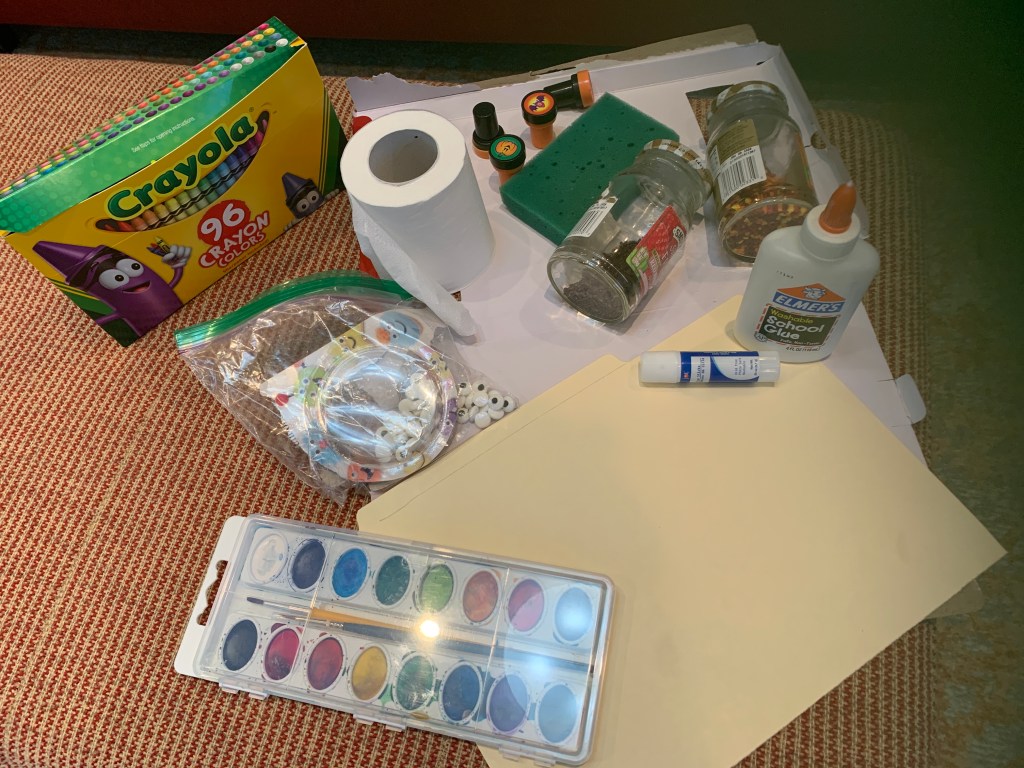
Find a sturdy background for your artwork—I used an old manilla folder but a piece of cardboard or poster board would work too. I cut a sponge into a rectangular brick then dipped it in alternating paints to make the crypt-like stonework behind the mummy’s coffin.
Supplies
For the tomb’s floor, I used some chocolate sprinkles. The book suggested brown rice but I didn’t have any on hand. Smear a layer of glue below the sponged wall and press the sprinkles/rice into the glue.
At this point, I helped my artwork dry more quickly by blowing hot air on it with a blow dryer set on low.
Next, I cut out my head, hand, and leg pieces from a discarded cereal box in my recycle bin. I tore thin strips of toilet paper and wrapped them around each piece. On the back of each piece, I used wrapping tape to hold the TP in place.
Drawing the Head, Hand, and Leg on Cardboard
I glued two googly eyes on the head and drew the mouth with a Sharpie. You could draw the eyes as well or cut out eyes from construction paper or other recycled paper.
The directions called for a discarded tube—like paper towel or toilet paper—cut in half, length-wise. But I didn’t have any empty tubes, so I improvised by shaping some recycled box paper into an open box. I used masking tape (applied horizontally) to hold the coffin together. The tape also provided some dimension and the appearance of planks—like a real coffin. All I had to do then was color over the masking tape with brown acrylic paint.
At this point, you can tape/glue your head, hand, and leg into place on the coffin. If you are gluing the pieces, make sure they are totally dry before proceeding with the next step.
I doubled-up a strip of wrapping tape (or you could use double-sided tape) to hold the coffin in place on my backdrop. Then I stapled it at both ends to keep secure. You could glue the coffin at this point, rather than taping and stapling. If you do, it will have to remain flat and dry completely before you can display it upright.
It’s ALIVE!!!
I stamped the background with a few bats and jack-o-lanterns. Some Halloween cobwebs would look quite lovely too. Or you could cut out spiders, bugs, or other creepy crawly things to add to the delightfully frightful scene.
I’m sure Oliver, the mummy character in my books, would be impressed with this picture. Why, I think I hear him whispering a new story into my head right now. I bet, if you listen closely, your monster creature will want to tell its story too—and you’re just the person to write it all down!
Hello to all the spooky readers out there who are also spooky writers! Today I want to talk directly to you! Since Covid hit, I’ve been hearing two different strands of the same conversation:
Extroverts: I just need to get out of this house/apartment/yurt and see some PEOPLE.
Introverts: I’d be fine if I wasn’t trapped in my house/apartment/yurt with all these PEOPLE.
Either way, the consensus is that all of this is taking a toll on our writing. I’m in the introvert camp. And because I live in a smallish and very busy house, I usually begin my writing routine by…well…leaving. I do my best work in coffee shops, and sometimes even at the bar of a favorite restaurant. I can work in noisy public places, because nothing going on around me is:
My problem
Going to lead to a bigger problem later (i.e. kids putting liquid dish soap in the dishwasher)
At home, I have to find ways to create a bubble around myself so I can focus. And like most of us, since March I’m basically always at home. So today, I’d like to share a few of the apps and tools that have helped me keep writing.
Ambient Noise Apps:
One of my favorite tricks is to drown out the noises I find distracting. I can’t always do this with music, though. I sing along instead of writing, or I get picky about individual tracks and start skipping around. One app I use instead is Coffitivity, which offers me several different coffee shop background tracks. It lets me add music from another app as if it’s the overhead music in the shop (which helps me leave it alone) and offers the option to choose which sound is dominant, the music or the background noise. I also *loved* the Ambience app, but it’s discontinued (woe)! So far the best replacement I’ve found is Noise– Mix HD. Most ambient sound apps are designed to help you sleep, which is not what I’m looking for! This one has everything from a dog park to a pool at a hotel. You do have to buy individual sounds beyond the basics or purchase the app upgrade, but it’s totally worth it.
Productivity Apps:
My favorite is Focus Keeper, hands down. For those who aren’t familiar with the Pomodoro method, you work in short bursts (like twenty-five minutes) with five minute breaks in between. After a certain number of bursts you get a longer break. The ticking of the timer keeps me focused (although I confess, because I’m a spooky writer I sometimes catch myself looking around for the Bent-Necked Lady from Hill House), and the bell that signals a break is followed by ocean sounds. You can set your own sprint lengths, pause the countdown if you need to, and use it in tandem with music or the ambient noise apps above. Mac/Google Play
Genuinely Wicked Apps
If you’re a Mac user and your primary distraction is web surfing, there’s also a desktop app called Self Control that is not messing around. It will lock you out of absolutely everything until your writing burst is done.
Lastly, there’s my perennial favorite, Write or Die. Don’t Google it. I don’t know what’s going on with Version 3, but it’s a mess. V.2 works fine, though! There’s a web client, or you can purchase the desktop version. You tell it how vicious you want it to be, from getting rickrolled if you pause too long to watching your words erase themselves one by one until you start typing again. Very motivational!
Hopefully some of these apps will make you feel like you’re getting out of the house (or at least help you filter out what’s going on IN your house) so you can write. I’m also definitely here for whining and commiseration, so come find me on twitter (@Saille)! Happy writing!
Anyone else having a little trouble concentrating these days?
Ugh.
In all honesty, I was having a bit of trouble concentrating on writing even before this global pandemic began. After turning in the draft of my next MG novel (a creepy book-within-a-book about sisters and stories and a haunted library, tentatively titled LONG LOST and coming out sometime in 2021—woohoo!), I found myself wavering between four other gestating projects, with a new baby and a just-turned-five-year-old occupying most of my attention, and then…
…Well, you know.
Suddenly, with no preschool or family help, most of my writing time was gone. But not writing at all was making me feel immeasurably worse, like it always does.
So I started something new. (I suppose I officially started it just over a year ago, during a between-books patch, and dropped it when my schedule got crazy again. But we don’t need to talk about that.) It’s called the Attic Notebook. I first heard about it from Laini Taylor, but many writer friends have pointed out similar exercises, like the “morning pages” in The Artist’s Way.
Here are the basics:
– Write in a designated notebook for 10 – 15 minutes each day, using simple prompts to get started, never stopping to revise or look back.
– Write in any form or style: poetry, essays, short or long fiction, whatever comes.
– Once you’ve filled the notebook, hide it away for at least six weeks.
– When you take it out again, imagine that you found the notebook at the bottom of an old trunk in someone else’s attic. Not only will you see the writing with fresh eyes, but it should feel a little like buried treasure.
Each morning, before anyone else in my house gets up, I’ve been creeping downstairs to scribble in my Attic Notebook. I try not to think about why I’m writing, about what each piece is for, about if it will ever turn into anything publishable or finish-able or worthwhile at all. I just pick a prompt and write. I’ve filled one notebook already, and I’m putting off the reading part for as long as I can stand it. Maybe I’ll run out of patience soon and sit down and dive in. But it’s been a great reminder that process matters more than product. And it’s helping me step outside of my anxieties for a little while each day, and that’s been sanity-saving.
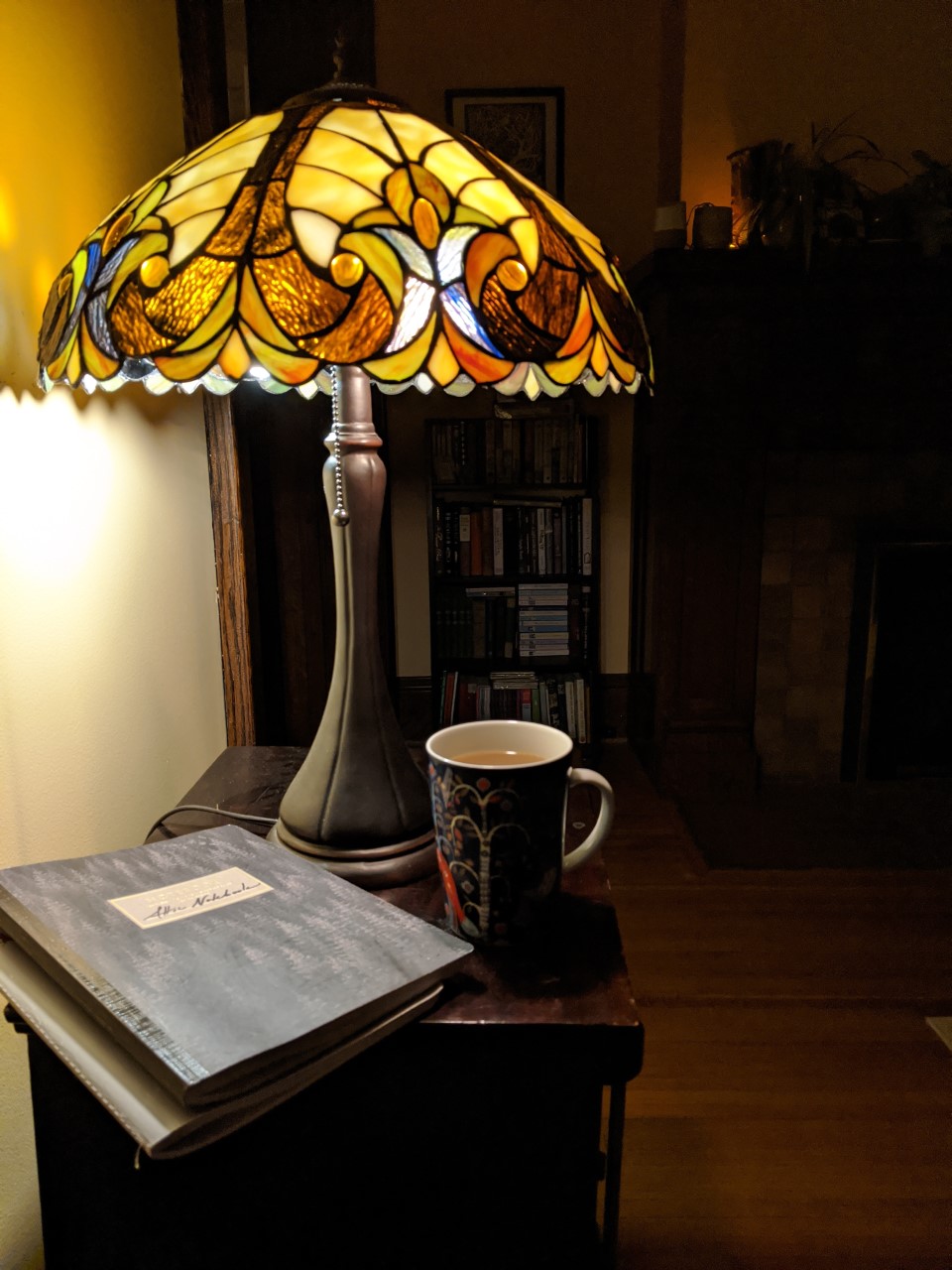
(Voila: My Pand-Attic Notebooks! If you want to keep one with me during this era, I suppose you could call it a “Shelter-in-the-Attic Notebook,” or a “Quarantine Notebook,” especially if you want to get literal and let yourself read it after exactly 40 days…)
Here are some of the prompts I’ve come up with. Feel free to use them, to add your own, to find others–whatever works for you. And if you want to share any of your process, you can tag me on FB or Instagram (jacqueline.west.writes). It’s nice to remember that we aren’t really alone these days — even while we’re scribbling in the dark all by ourselves.
Prompts:
– Come in from the cold
– Capture the flag
– Paw print
– Lost button
– Shadow caster
– Last rites
– Switched at birth
– Freak show
– Winding road
– To be honest
– Since when
– Hour of beasts
– Hide and seek
– Choked with vines
– Paralyzed
– Survival of the fairest
– Beware
– Monarch
– Pomegranate seeds
– Poison field
– Pan pipes
– Courage
– Locked drawer
– Morning glory
– Sea of storms
When writing a story—whether it’s spooky or not—an author needs to include the five senses (sight, sound, smell, touch, and taste). I love to do a presentation with students to help them incorporate these senses into their stories and better bring their scenes to life.
One of my favorite senses to highlight is TASTE. While it’s not always as easy as some of the others to readily include, the sense of taste can immediately transport a reader into a story.
I could go on and on, but you get the idea. I’m sure at least one of these examples caused your mouth to water a bit. For certain, you could quickly identify the difference between the sweet chocolate and the hot, tangy salsa.
Food creates the opportunity to include the senses of SIGHT, SMELL, and TOUCH as well. That bag of fluffy, glistening, buttered popcorn in your hands is warm and a bit lumpy. The fragrant steam rising to your nose is totally tempting. When you include food in your story, you have a great opportunity to pull a reader in with numerous sensations.
Okay, enough writing tips for today. Now for the important part—some actual spooky food treats! No—not any of the over-the-top gross food I had such a fun time inventing for my monster stories. The recipes below may look a little ghastly, but they will be amazing taste delights.
BITE-SIZE BATS
½ Cup of creamy or crunchy peanut butter
2 Tablespoons honey
½ teaspoon vanilla extract
Pinch of salt
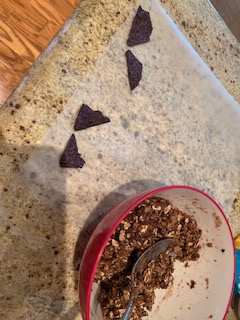
Stir these ingredients together. You may need to microwave the mixture for 10-15 seconds to blend smoothly.
½ Cup of old fashioned oats
½ Cup of crispy rice cereal
2 Tablespoons of cocoa powder
2 Tablespoons of mini chocolate chips
Add these four ingredients and stir lightly until combined.
Broken blue corn tortilla chips (for bat wings)
Tube of white icing gel and extra mini chocolate chips (for eyes; or candy eyes)
When forming the mixture into balls, carefully add a wing on each side. For the eyes, I squeezed out two drops of icing and put a chocolate chip on top. Or you could use this same method and place a candy eye on the icing drops.
This recipe makes about 10-12 bats. They won’t hang around long though. They are too yummy!
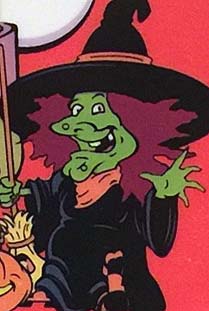
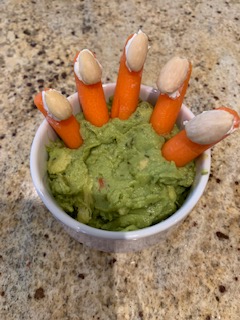
WITCH FINGERS
Carrot sticks (I used a small bag of baby carrots.)
Blanched almonds
Cream cheese
Guacamole dip (I used a prepared dip, but you could make your own as well.)
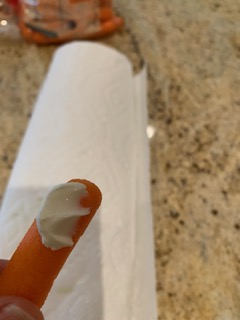
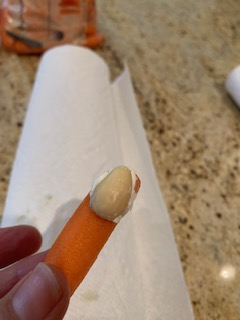
Top each carrot with a dollop of cream cheese. Attach almond (aka: fingernail). Stick in a bowl of guacamole dip.
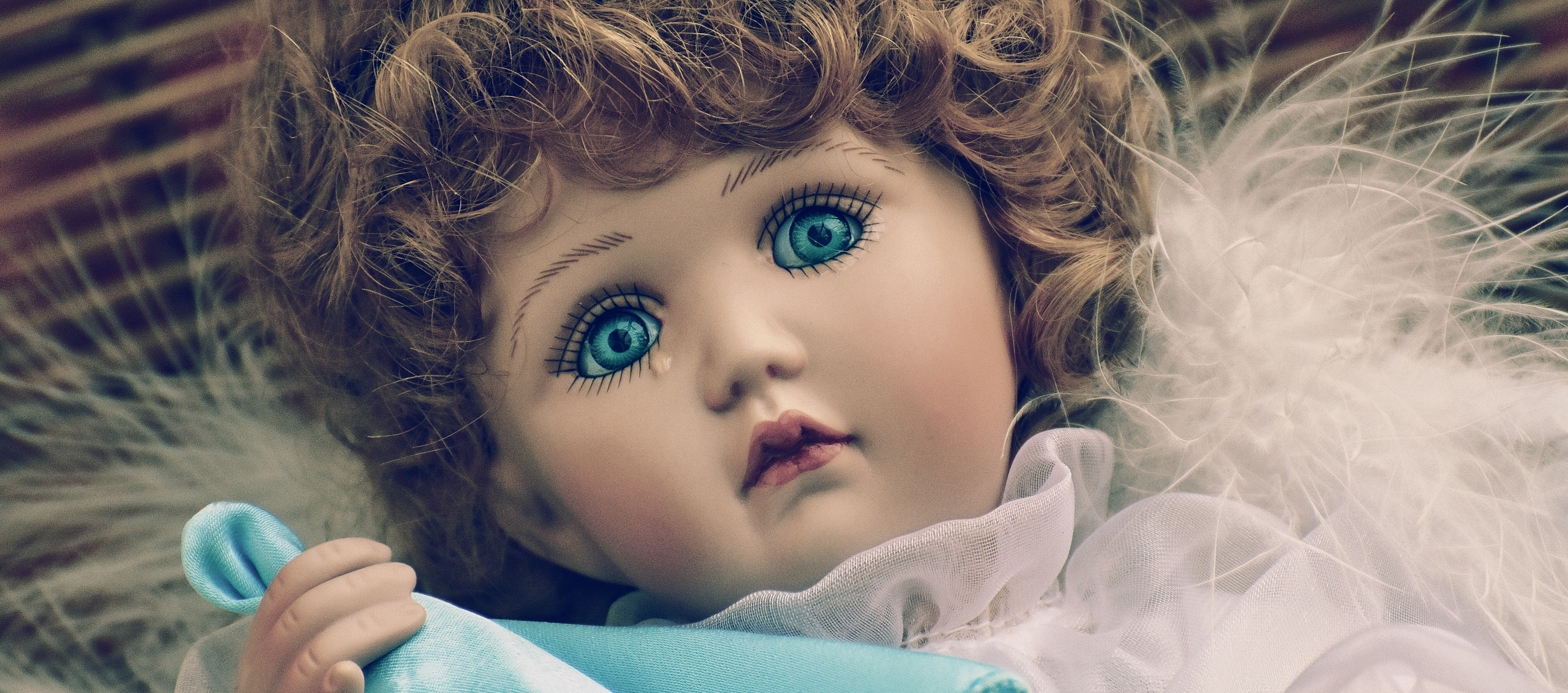
Our stuffed animals stare at us with their button eyes while we sleep, and we can’t be completely sure they stay where we put them. Dolls? Equally freaky, if not more so. Puppets? Stop. (There is a reason the villains in my first book were evil puppets.)
They like to watch you while you sleep.
So it seemed only fair that when the kids in Twist, my book that comes out this month, had a bunch of monsters to defeat, they’d use toys to do it. It’s about time toys pulled their weight.It was a lot of fun, actually. Toys lend themselves well to weaponization. What parent hasn’t stepped on a Lego during a midnight bathroom trip and been convinced they were going to lose their foot? And there’s no alarm system as freaky as a Speak and Spell that accuses you suddenly out of the darkness. We all understand why Kevin McCallister used paint cans as booby traps in Home Alone…they’re heavy. But toys…toys are diabolical. They bring a level of psychological warfare to the table that’s hard to beat.
I mention this because while I love inventing creatures both friendly and foul, my favorite trick is presenting the commonplace, slightly askew. Familiar objects can send chills down your reader’s spine in the right context. That’s why the little wind-up primate with his clashing cymbals is so horrifying in Stephen King’s short story, “The Monkey.” It’s why a trail of Reese’s Pieces can lead to almost-unbearable levels of tension. And it’s why the juxtaposition of a Dungeons and Dragons miniature with a real-life danger doesn’t minimize the threat for the viewer, but gives them a focal point that makes them even more nervous.
She’s sad because you won’t share…your soul.
Familiar objects like toys are wonderful elements in a scary story, specifically because they’re so benign…until they aren’t. Once you’ve noticed how not-quite-right they are, you can’t unsee it. I know, this is a terrible thing I’m doing to you right now, but I am, after all, a spooky author. It’s literally my job. Of course, turnabout is fair play. So…
The next time you pick up your pencil (or ask your students to pick up theirs) why not pose the challenge of making a beloved childhood toy scary? If that doesn’t float your boat, if you really truly won’t be happy unless you can create a monstrous threat, see if your characters can solve that larger-than-life problem with household objects so basic, they’d normally overlook them completely. Especially if they’re toys! I guarantee good, spooky fun…besides, you’re already halfway there! Admit it: the Elf on a Shelf freaks you out.
One of my favorite things about art, whether it be painting,
music, writing, or even cooking, is learning the rules…and then breaking them!
Mind you, this only applies to creative endeavors – breaking
the rules in real life doesn’t have quite the same effect, but thankfully it’s
a lot more fun to be rebellious in your projects…especially when writing spooky
stories!
So what are the “rules” of spooky stories? They vary, but
here are some common elements that you’ll find in any scary story:
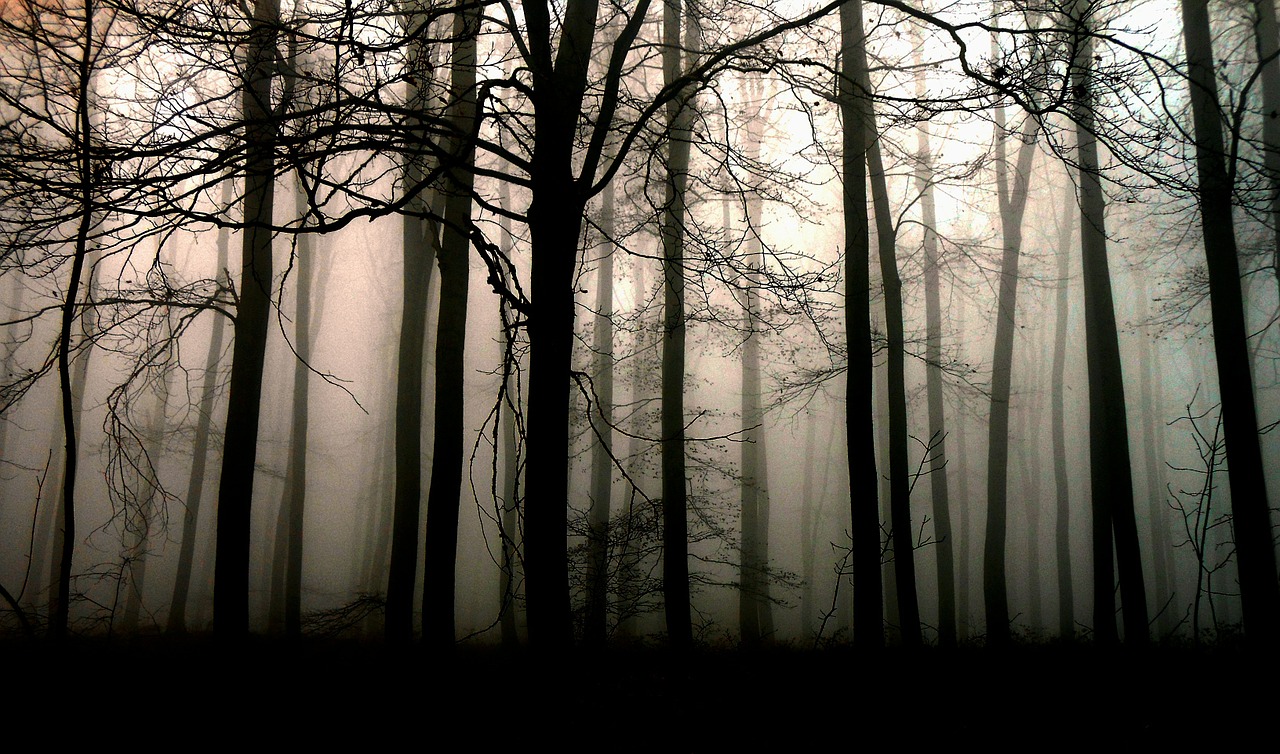
SETTING: This is one of the most important elements of any scary book, show, or film. The setting creates the perfect atmosphere to frighten your characters…and your readers. Classic settings are gothic mansions, abandoned hospitals, haunted graveyards, ancient crypts, and foggy swamps and forests, to name a few. Needless to say, these places are often dark and shadowy – perfect for hiding ghouls and other foul surprises. By choosing the perfect setting, a lot of the work is done for you, and you can focus on other spooky things like…
CHARACTER: Part of what makes a scary story so terrifying is that you care about the characters and what happens to them. As you watch them enter a dark basement alone, or lose their phone, or trip on a root while trying to run away, you feel invested in their journey to beat the odds and survive. For this reason, the protagonists of a good horror story are often sympathetic characters. Often they are good, kind people. They’re innocent, and perhaps a little naïve…the exact opposite of whatever they’re facing. The stakes are always high with these characters—there’s a lot to lose if they don’t succeed, whether it be a loved one, or even the fate of the world itself.
Writing good characters also includes writing good villains, and there’s nothing as satisfying as creating the ultimate spooky antagonist. The possibilities are endless: ancient beings like vampires or monsters and ghosts, mad scientists, creepy animated dolls, clowns, and evil dentists…you get the idea!
PLOT: The final piece to the spooky puzzle is the plot. If you watch and read a lot of horror, you’ll notice certain tropes that show up time and time again. For example, when characters split up to investigate something, you just know something bad is going to happen. If there is a phone or a getaway vehicle…it most likely won’t work. And when the bad guy is defeated at the end and everyone think they’re safe…that’s rarely the case! Even though we know what to expect when watching or reading spooky stories, it’s still scary because you never know when the next thing will jump out at you, or what it will be. Also, a good spooky story excels at building suspense, setting the scene and the possibility of something bad happening. Sometimes the long descent into an ancient tomb is just as scary as whatever might be lurking inside.
So now that we know the basic rules of spooky stories, how
can we break them?
SETTING: Challenge yourself to make a setting that normally isn’t scary into something that is. How about a video game arcade where all the games start flickering and malfunctioning at the same time? Or a dog park where all the dogs stop and stare at something their owners can’t see? Or a grocery store where you pull a jug of milk from the shelf….only to see something lurking behind it. By taking your spooky story into unexpected places, this gives you the opportunity to create new rules about what is scary.
CHARACTER: Just like with setting, try new and unexpected ways of creating characters. Maybe your hero isn’t as innocent as they seem. Maybe they USED to be the monster in someone else’s scary story and now they’re the ones being chased down. Maybe your protagonist is afraid of something that no one else is…pickles, for instance! If you write a story about evil killer pickles you’ll be able to make your reader see through your protagonist’s eyes and think twice about their favorite snack.
You can also have fun experimenting with new ways to create villains. One of the spookiest villains in Harry Potter is Dolores Umbridge. She looks like a benign old woman, dressed in pink, with decorative kitten plates on her wall, but she’s one of the most chilling and sadistic characters in the entire series. Even Stephen King, the master of horror, praised her character as “the greatest make-believe villain to come along since Hannibal Lecter.”
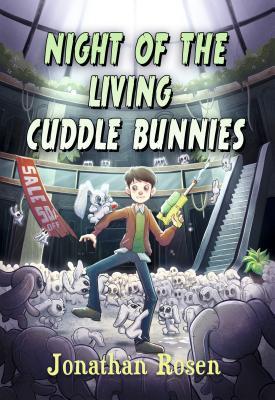
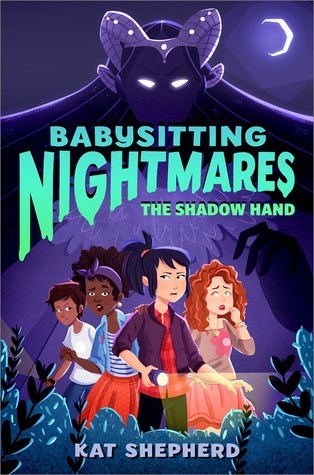
Think about ways you can make the ordinary…extraordinary. Think of the least scary thing you can, and find a way to subvert it into something terrifying! Our own authors in the Spooky Middle Grade group are great at this. Take Jonathan Rosen’s NIGHT OF THE LIVING CUDDLE BUNNIES or Kat Shepherd’s BABYSITTING NIGHTMARES series.
PLOT: This one is the hardest to break the rules with, because so much of spooky writing depends on the balance of suspense and surprise. I would suggest that if you break the rules in spooky writing, choose only two of the three categories to do it with. For example, if you want to experiment with setting and character, keep the plot structure more traditional. But if you want to break the plot and character rules, keep the setting more traditional, or else your story might not resemble something spooky at all.
The key thing is to experiment and have fun. Even if you break
every rule in the spooky book, you can be secure knowing you won’t end up in
spooky jail….

















 Spooky Middle Grade